
H.E. Jasem Mohamed AlBudaiwi Returns to Utah for Gulf States Forum
World Trade Center Utah partnered with the University of Utah's Office for Global Engagement and Middle East Center to help shape the Gulf States Forum dialogue.
The Gulf is changing quickly, with economies diversifying, investment expanding into new industries, and the region playing a growing role in global business. The Gulf States Forum, a day of dialogue exploring education, economic diversification, innovation, and the evolving relationship between the Gulf and the U.S., brought that transformation closer to home.
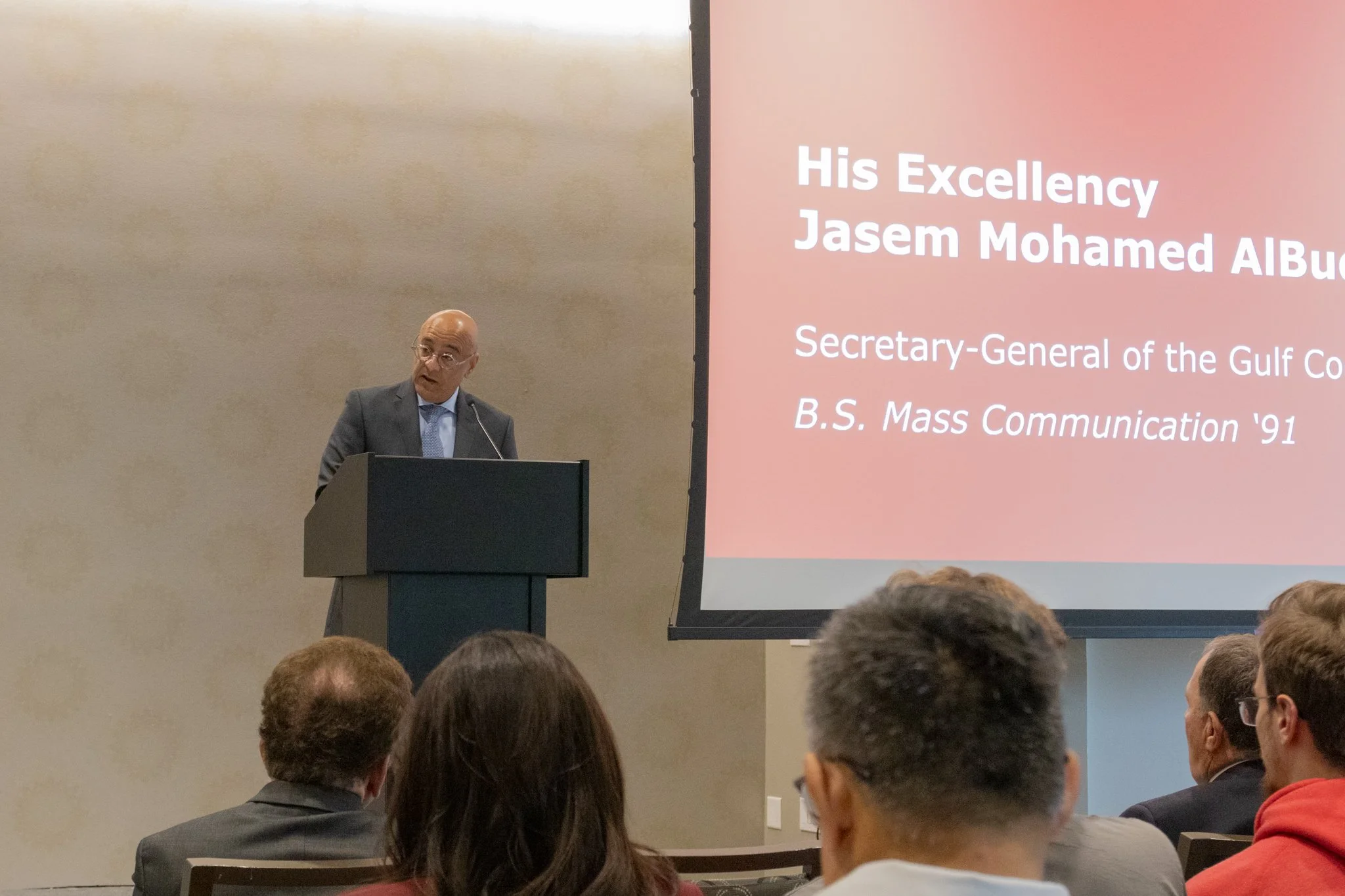
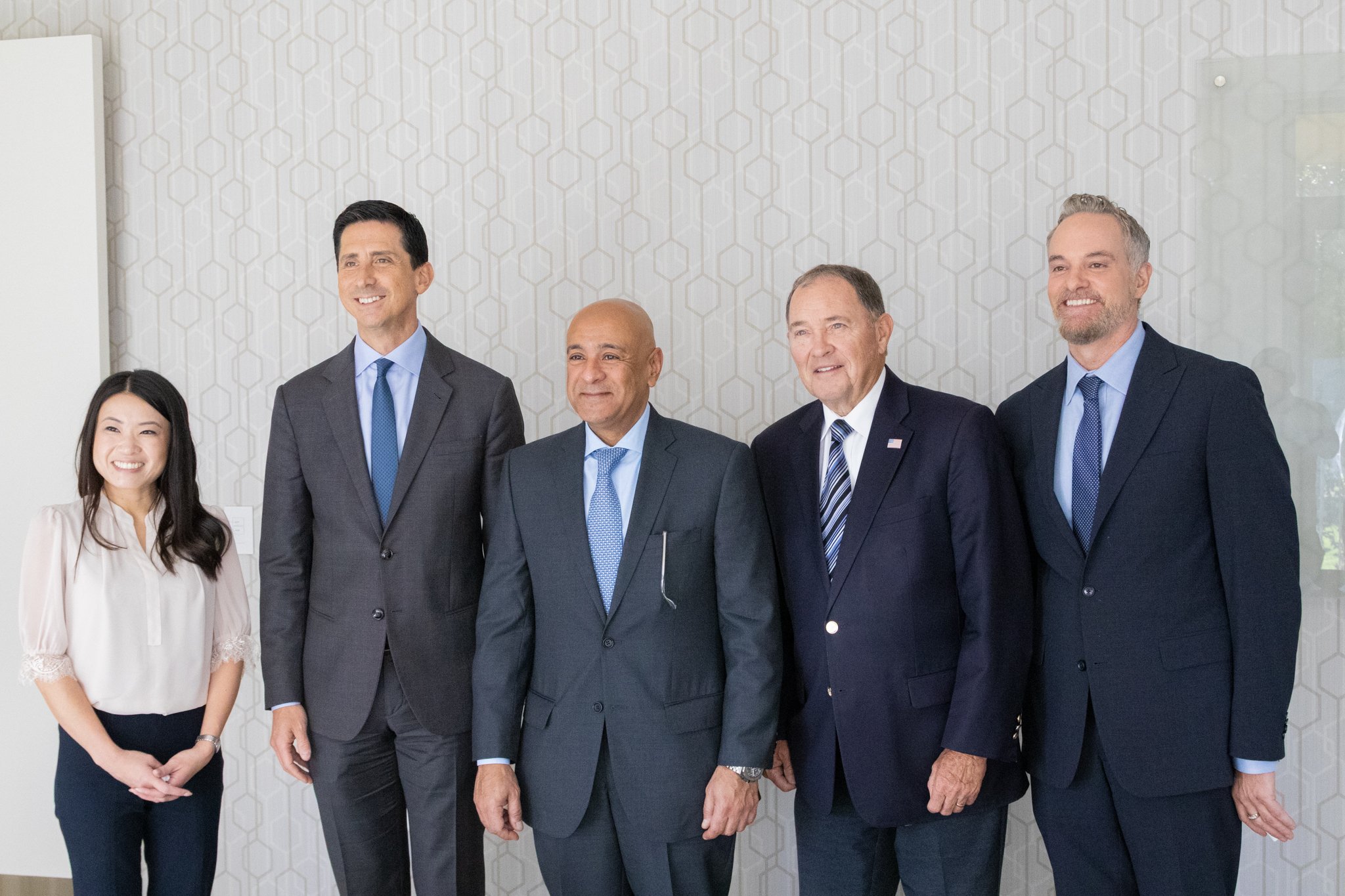
At the center of the conversation was H.E. Jasem Mohamed AlBudaiwi, secretary general of the Gulf Cooperation Council (GCC), who returned to his alma mater as keynote speaker.
After graduating from the U in 1991, AlBudaiwi began his public service career as a diplomatic attaché in Kuwait’s Ministry of Foreign Affairs. His career took him to Japan, Austria, South Korea, Belgium, and the U.S. He also led Kuwait’s missions to the European Union and NATO and, after multiple roles in Washington, D.C., served as Kuwait’s ambassador to the U.S.
In 2023, the heads of state of Bahrain, Kuwait, Oman, Qatar, Saudi Arabia, and the United Arab Emirates appointed him secretary general of the GCC. In the role, he leads the regional organization’s work across its six member countries, helping coordinate shared priorities on trade, energy, regional cooperation, and other issues.
A Gulf economy in transformation
For Utah businesses, AlBudaiwi offered a closer look at Gulf economies in the midst of significant change.
“For decades, the world knew us as an oil region,” he said. “That chapter is not closing, but a far larger book is being written.”
Non-oil activities now account for more than 75% of GCC GDP, spanning finance, logistics, manufacturing, tourism, technology, and services. Gulf sovereign wealth funds manage close to $5 trillion, investing across American technology, European infrastructure, Asian industry, AI, advanced manufacturing, and other emerging sectors.
Amid global volatility, AlBudaiwi pointed to predictability as increasingly valuable: stable currencies, relatively low inflation, and long-term, patient capital as strengths of the region, while looking to AI research, medical science, clean energy, and a young population as building blocks of its future economy.
The forum continued with regional experts and scholars exploring U.S.-Gulf relations, investment, innovation, economic diversification, energy, diplomacy, and regional security.
An investment that began in Utah
AlBudaiwi turned to a different kind of investment.
“The deepest investment either side can make is in each other’s minds.”
His own story illustrates the point.
When Iraq invaded Kuwait in 1990, AlBudaiwi was a student at the U and one of seven Kuwaiti students suddenly thousands of miles from their families and home. They found support from the Utah community, including professors. His experience was documented at the time by the Deseret News.
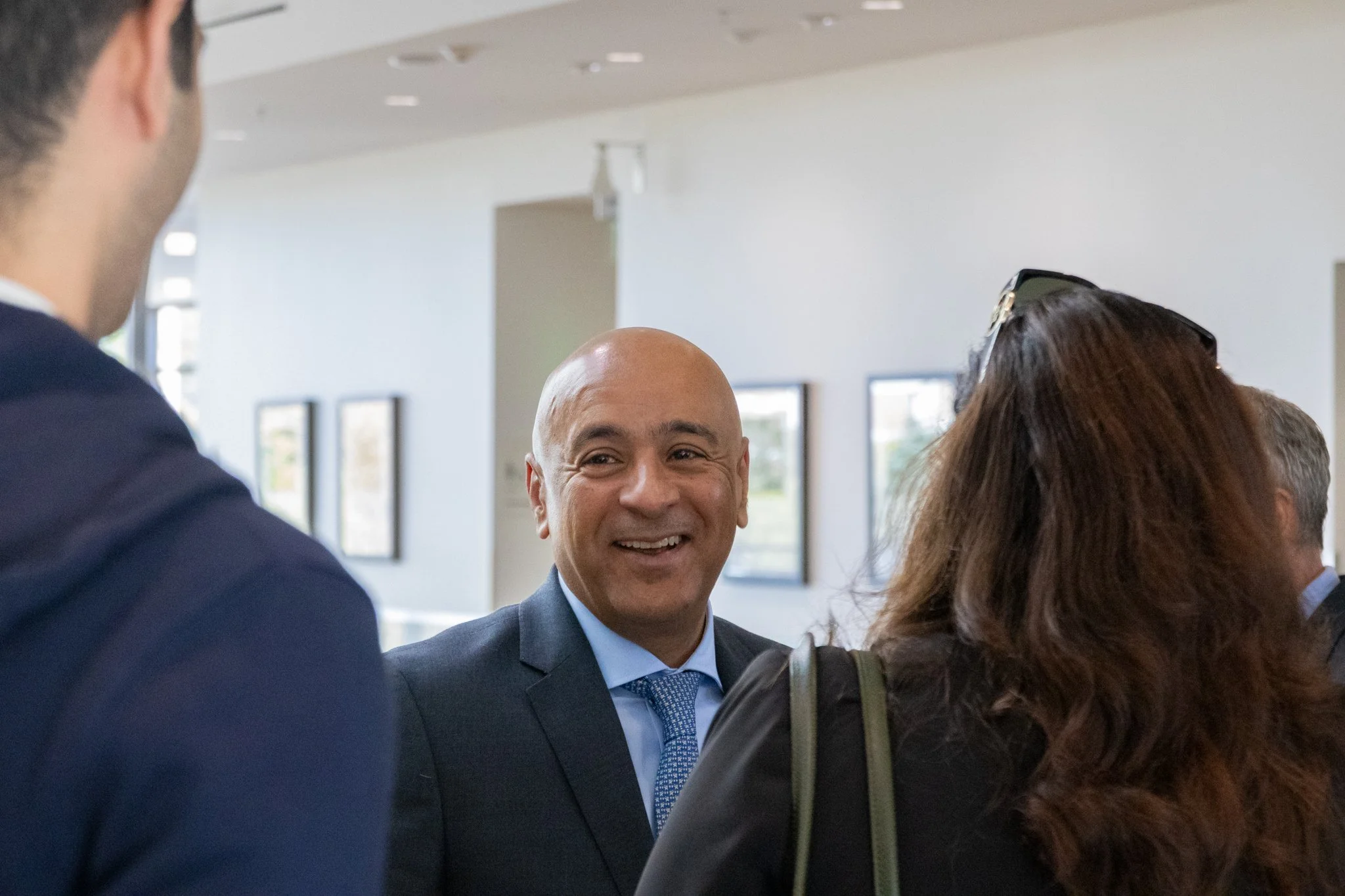
Returning 35 years later, he spoke about the people who supported him and the lasting impact those relationships had on his life and career.
The U also presented AlBudaiwi with its inaugural Global U Alumni Impact Award, recognizing his international leadership and connection to the university.
During his keynote, he described his return “not as a conclusion, but as a contract” to keep the bridge between the Gulf and the university, and between the region and the U.S., “wider, stronger than ever.”
Building what comes next
The Gulf States Forum gave Utah businesses a broader view of a region whose economic role extends well beyond energy, and a better understanding of the people, institutions, and investments shaping what comes next.
It reinforced something at the heart of AlBudaiwi’s own story: relationships built in Utah can carry far beyond it.