

Date and Time
Nov. 19
8:30–10 a.m. MST
Location
Kirton McConkie
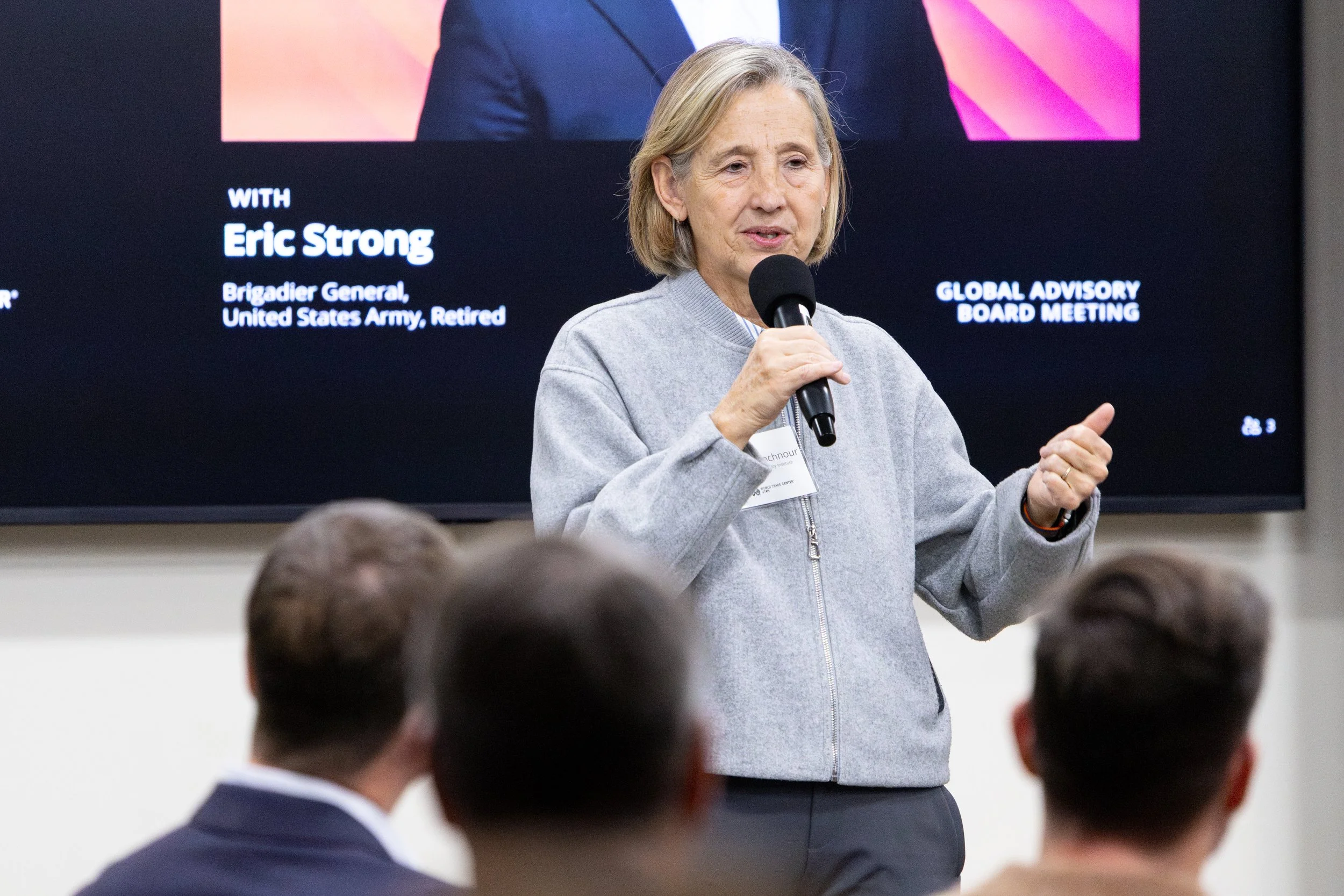
At WTC Utah’s winter Global Advisory Board meeting, members heard from two national leaders offering clear-eyed views on the forces reshaping global trade and security — and what they mean for states competing in a volatile environment.
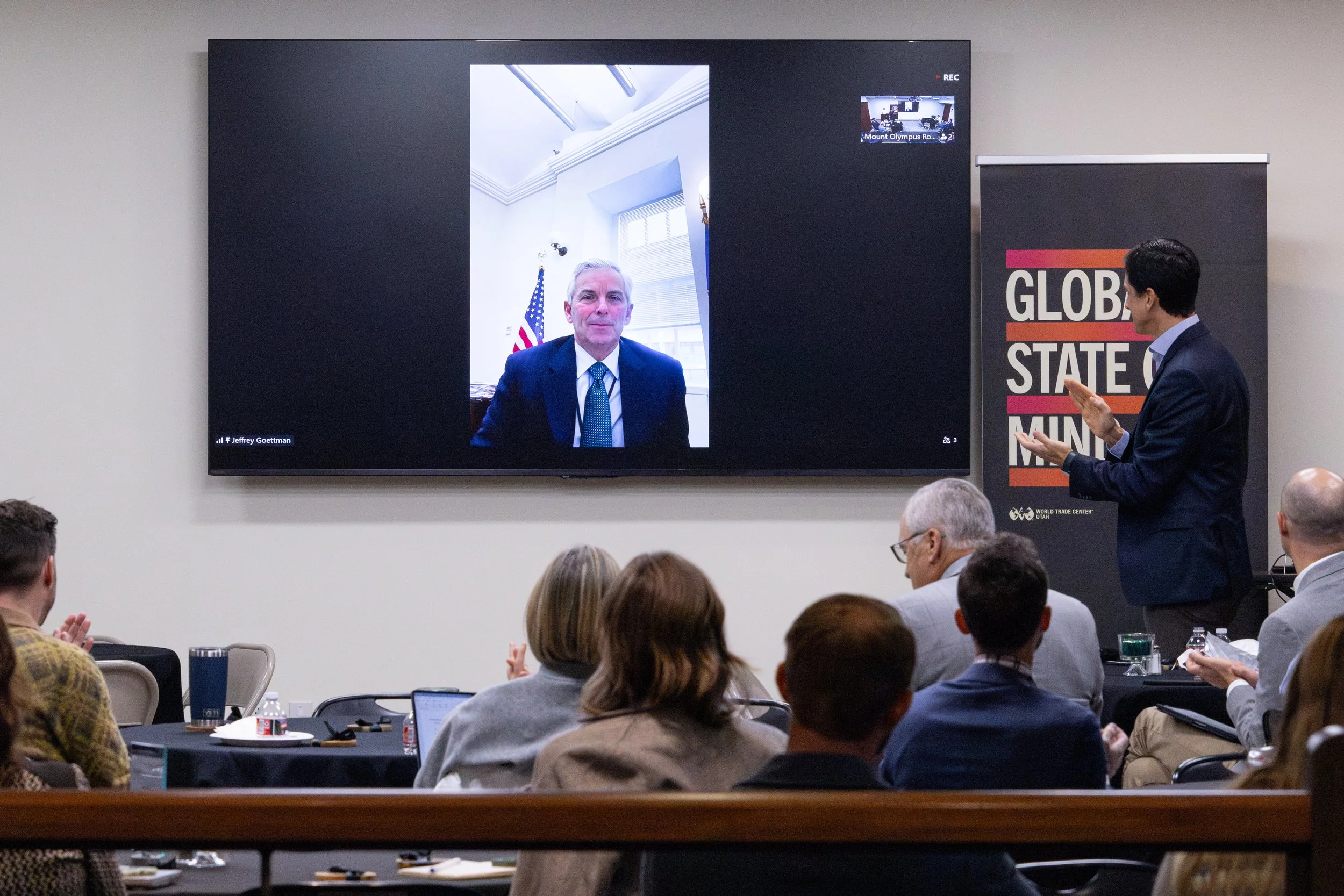
Jeff Goettman, nominee for deputy U.S. trade representative, traced how decades of policy decisions — from NAFTA to China’s entry into the WTO — shaped today’s trade landscape. He walked through the real sources of the U.S. trade deficit, explained why reciprocal tariffs are being deployed across key partners, and outlined federal priorities around exports, supply chain security, and critical minerals.
He emphasized that the goal isn’t to bring every industry back onshore, but to ensure that essential sectors like defense, semiconductors and pharmaceuticals remain secure. For Utah companies, his message underscored a broader reality: global production networks are shifting, and competitive states are preparing for a more selective, strategic era of trade.
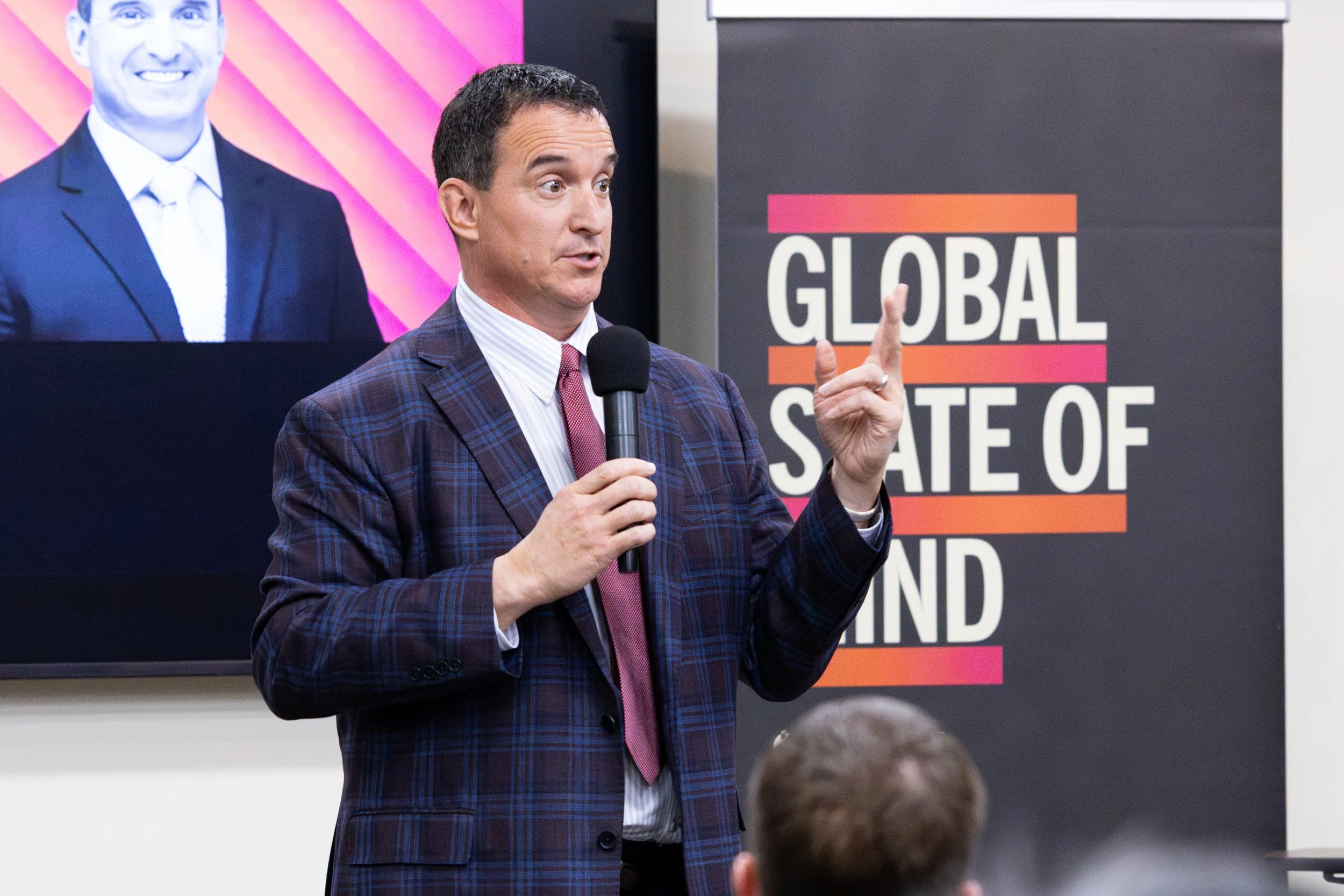
General Eric Strong (ret.), now a senior advisor to WTC Utah, shifted the lens to leadership and national security. Drawing on decades in military command roles, he reflected on the Army’s organizational transformation and the accelerating impact of technologies like drones and AI. He spoke candidly about decision-making under pressure, empowering teams, and the importance of anticipating disruption — lessons that apply as much to business as they do to defense.
Strong also highlighted how supply chains are becoming a national-security priority, reinforcing the connection between domestic capacity and global stability.
Together, their perspectives offered a timely reminder: Utah’s global strategy will need to stay agile and forward-looking — aligning economic opportunity, resilience and national priorities in a rapidly changing world.