On the front foot: U.S. trade chief visits Utah companies
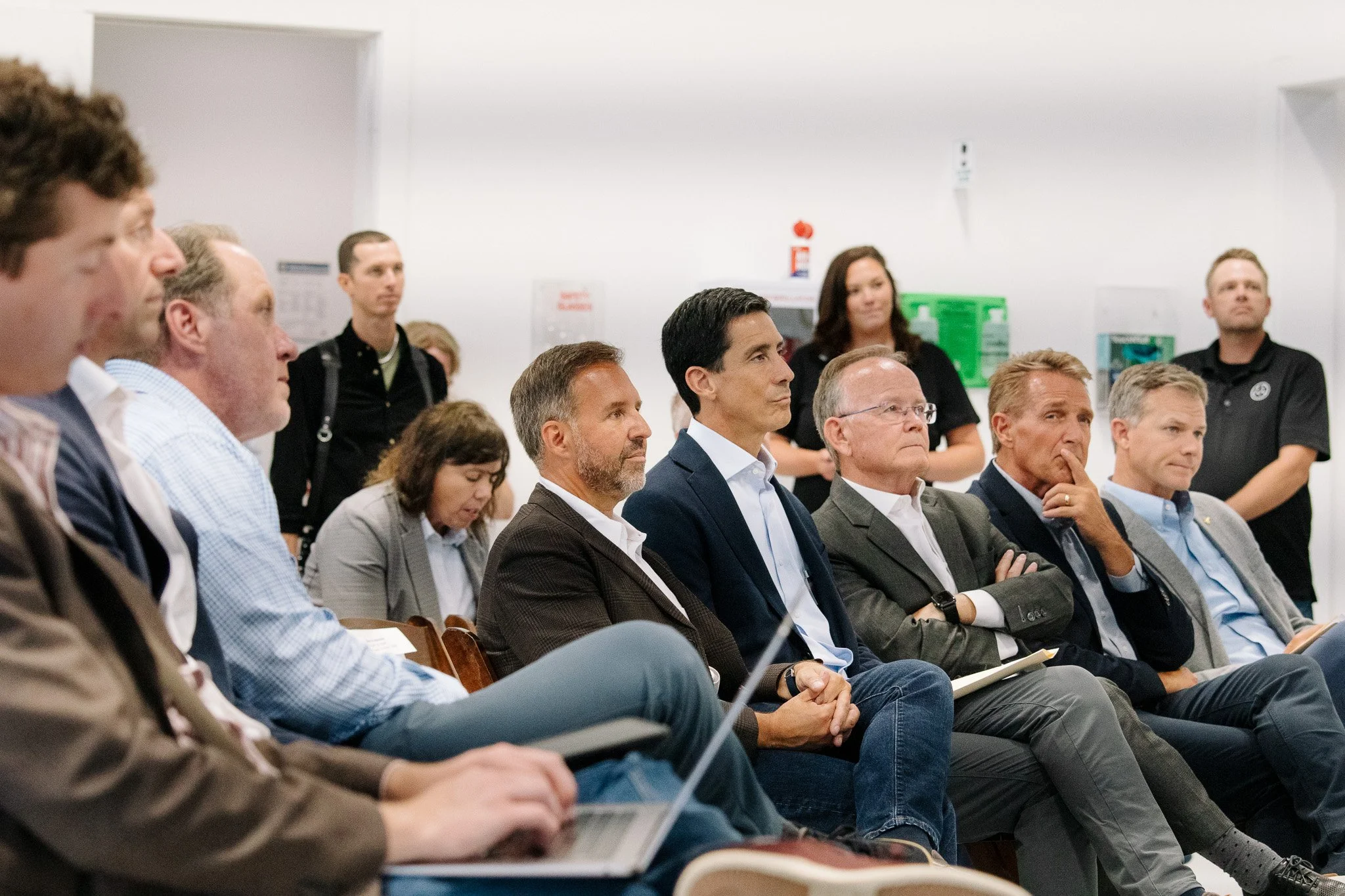

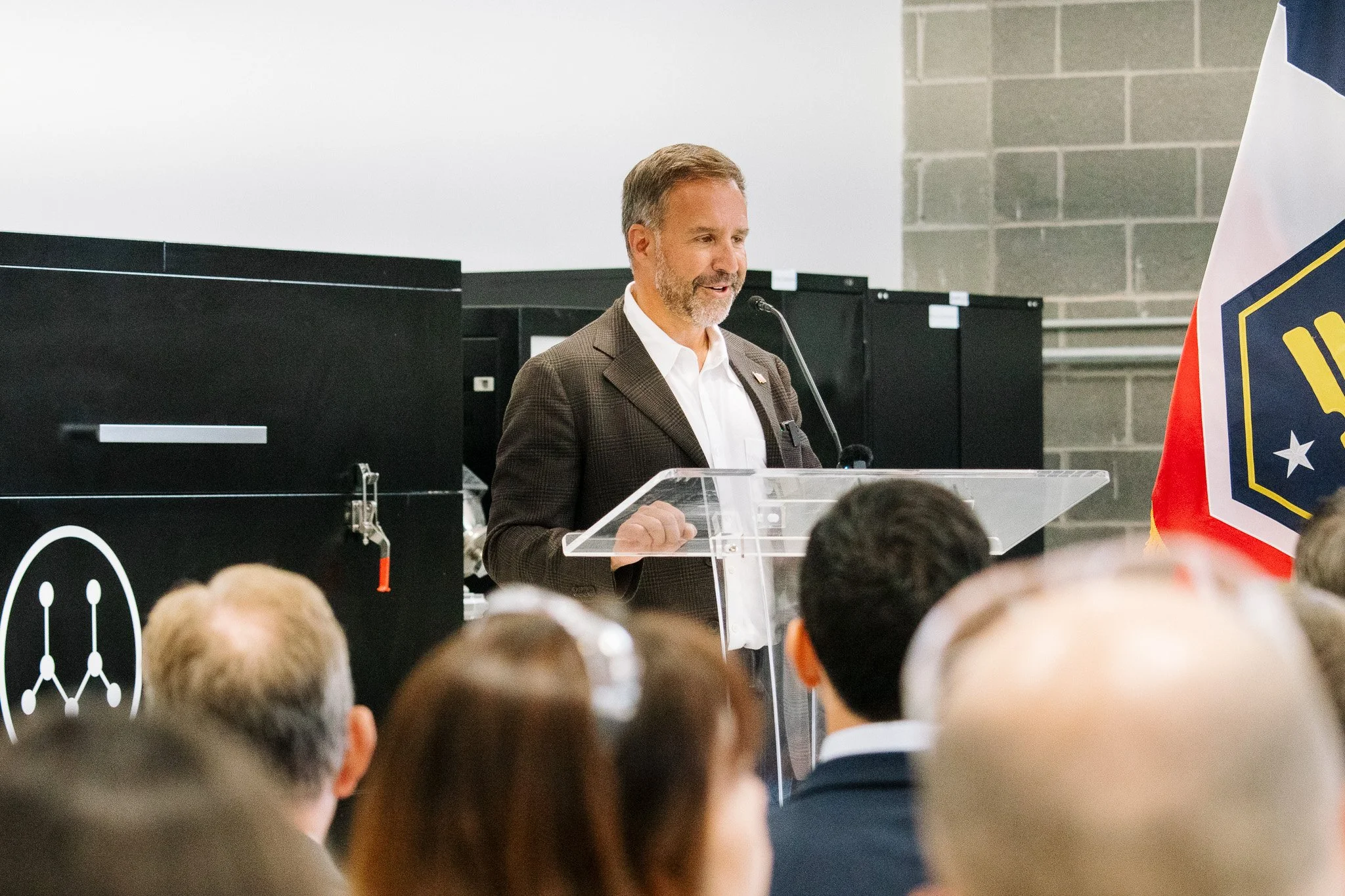
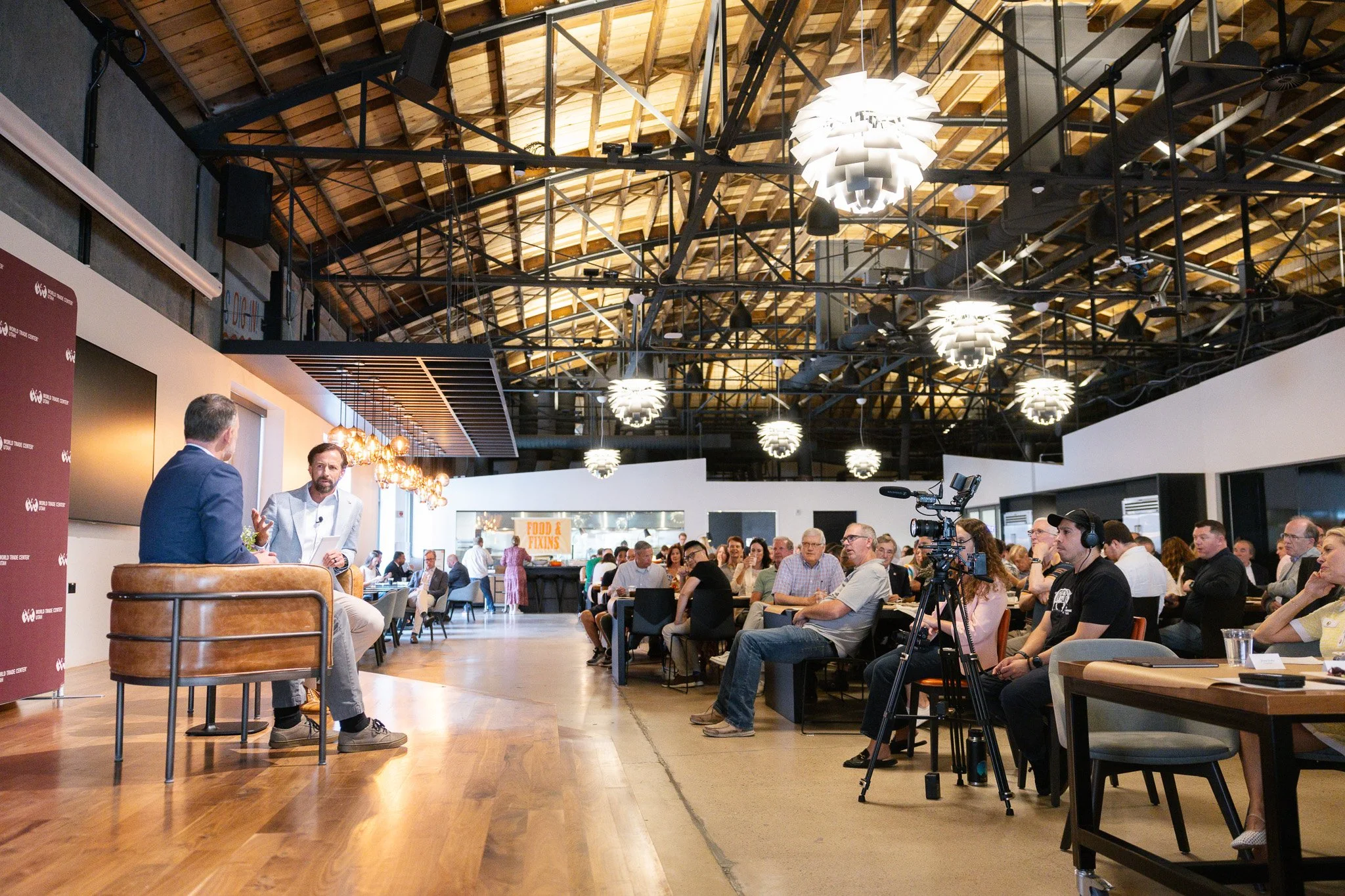
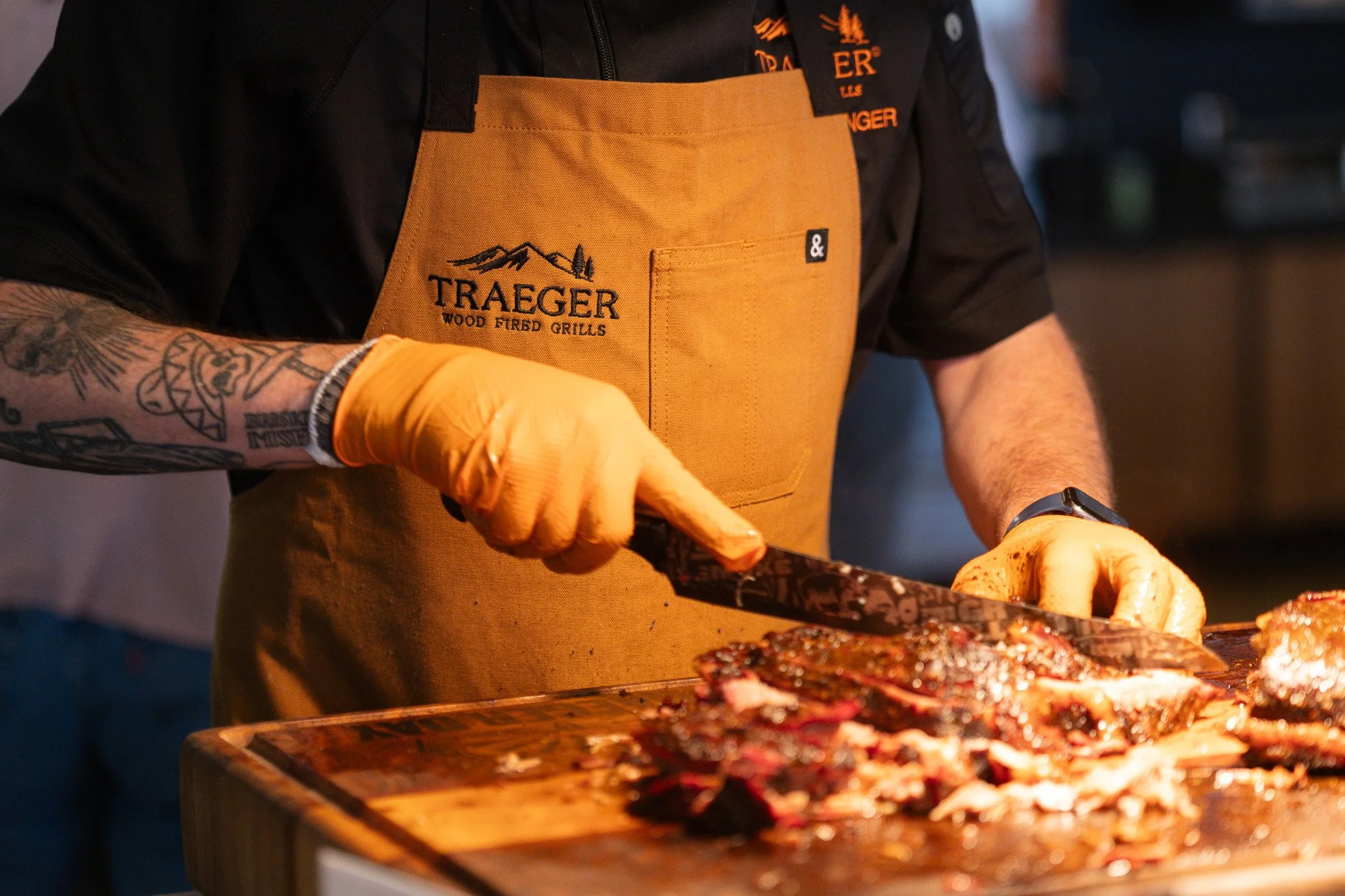
The room was full, the brisket was hot, and trade policy had everyone’s attention.
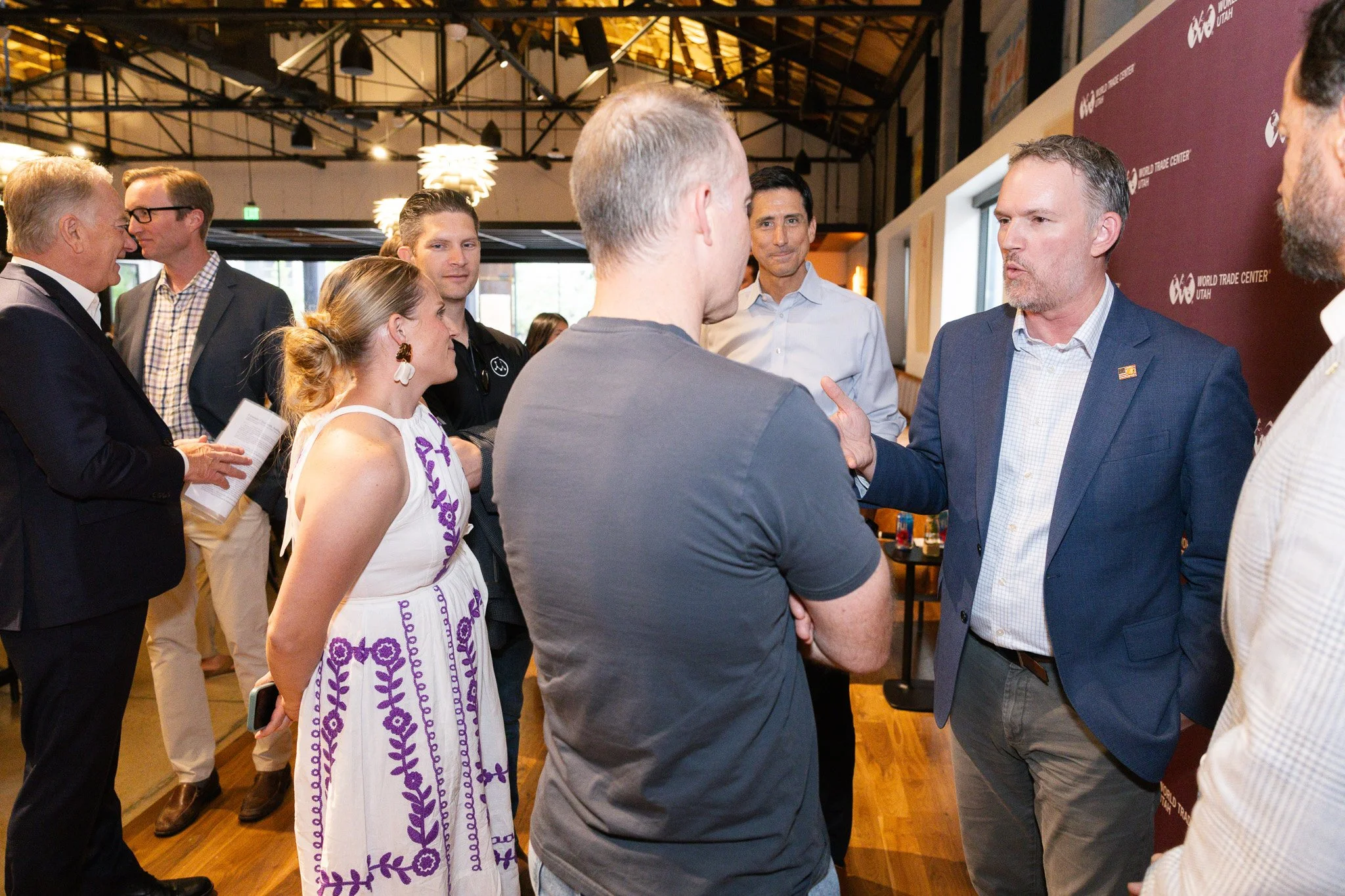
More than 200 guests gathered at Traeger Grills for World Trade Center Utah’s annual summer BBQ, where manufacturers, entrepreneurs, elected officials, board members, and partners came together to talk about how trade policy is playing out across Utah’s economy.
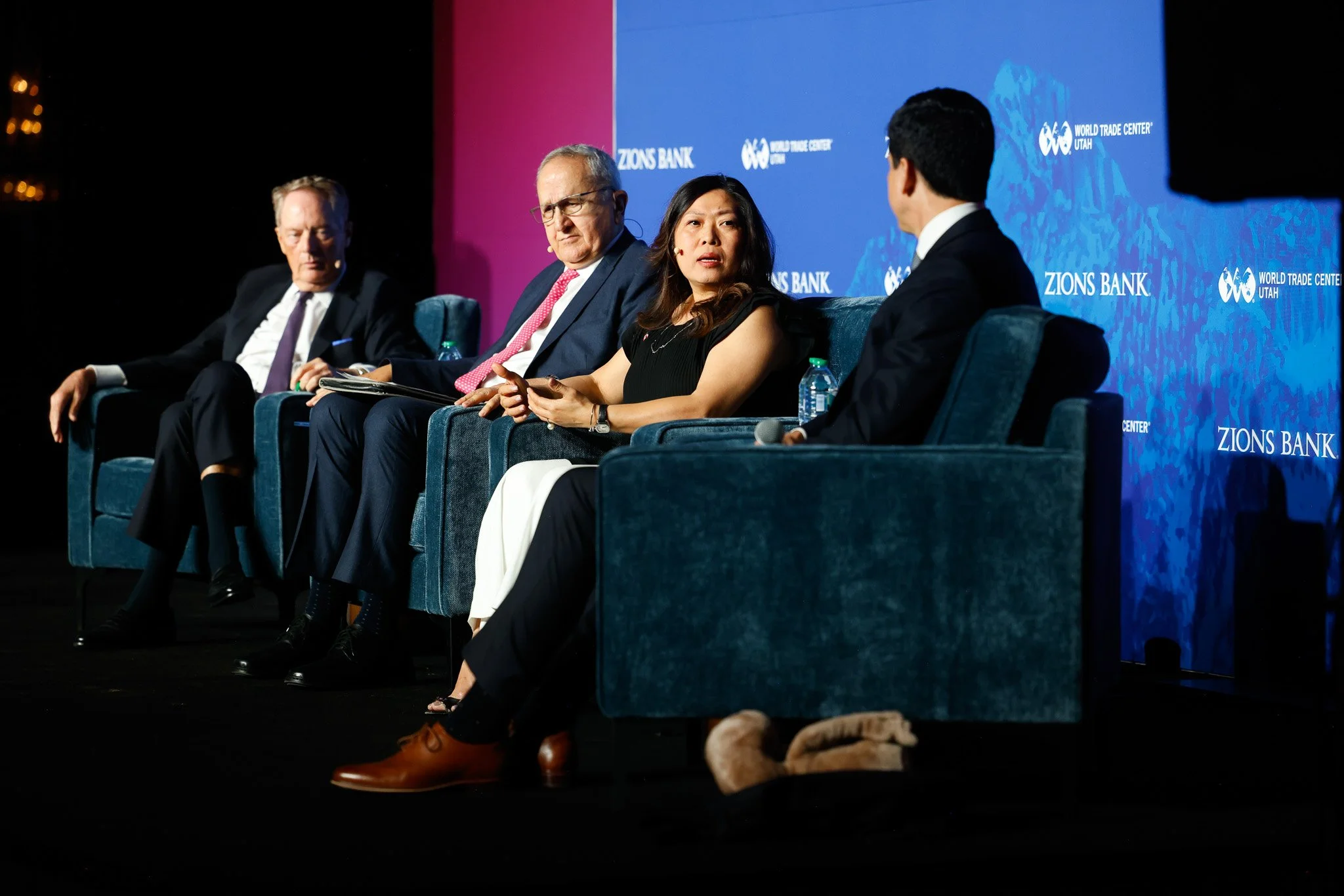
Joining us was U.S. Trade Representative Jamieson Greer, the nation’s top trade official, who spent two days in Utah meeting with businesses to better understand how today’s trade environment is shaping decisions on factory floors, in boardrooms, and across rural communities.
That’s why World Trade Center Utah partnered with the Office of the U.S. Trade Representative to bring Utah companies and federal trade leaders together, not to debate headlines, but to have candid conversations about what comes next.
“Our role is to connect Utah businesses with the people shaping global trade,” said Jonathan Freedman, president and CEO of World Trade Center Utah. “Whether companies are navigating tariffs, expanding into new markets, or attracting international investment, our job is to help them identify opportunities and stay competitive.”
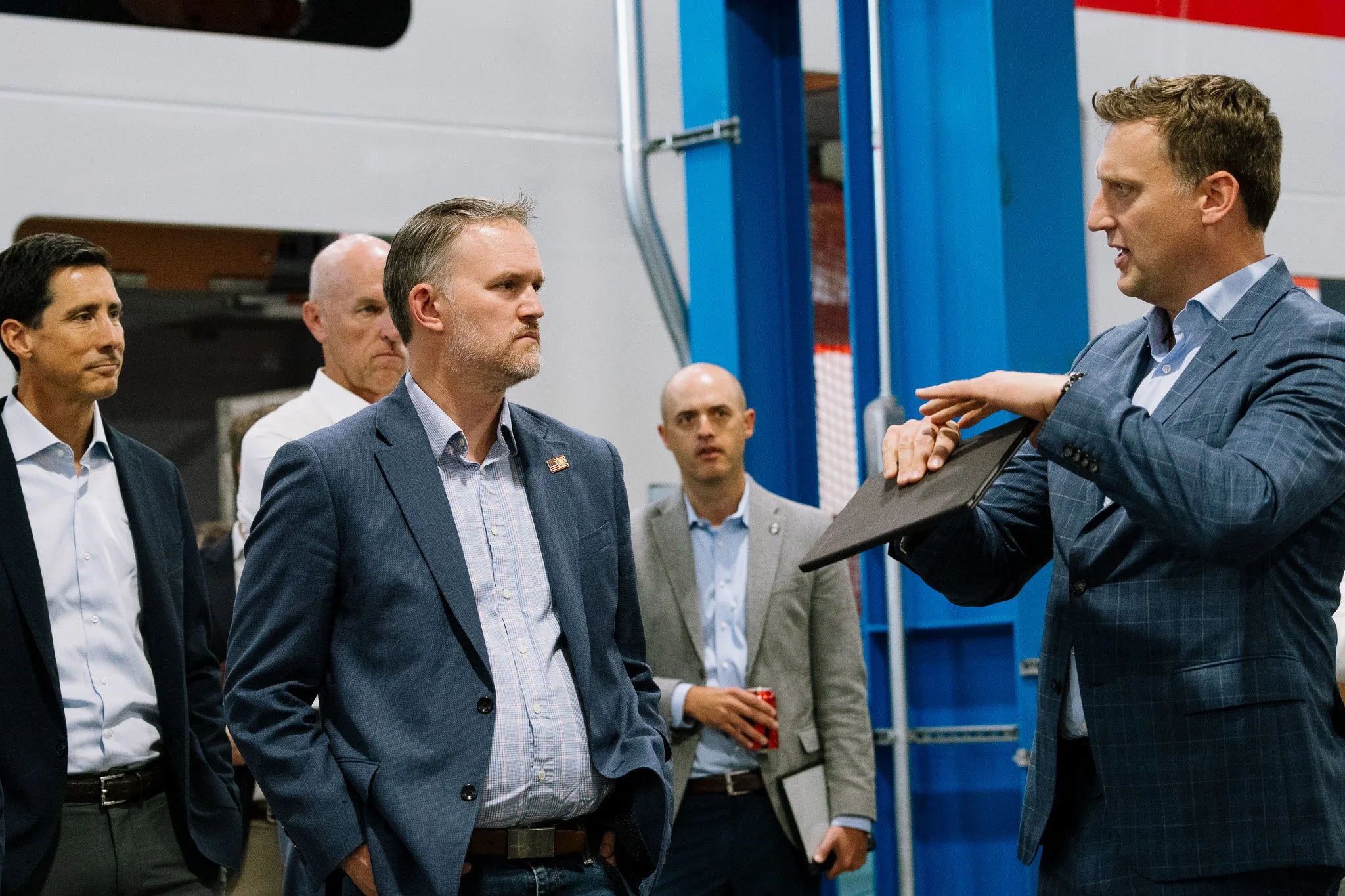
Over two days, Greer toured Liberty Safe, Jorgensen Farms, Ionic Mineral Technologies, and Stadler Rail. Each stop highlighted a different way global trade shapes Utah’s economy.
Going on offense
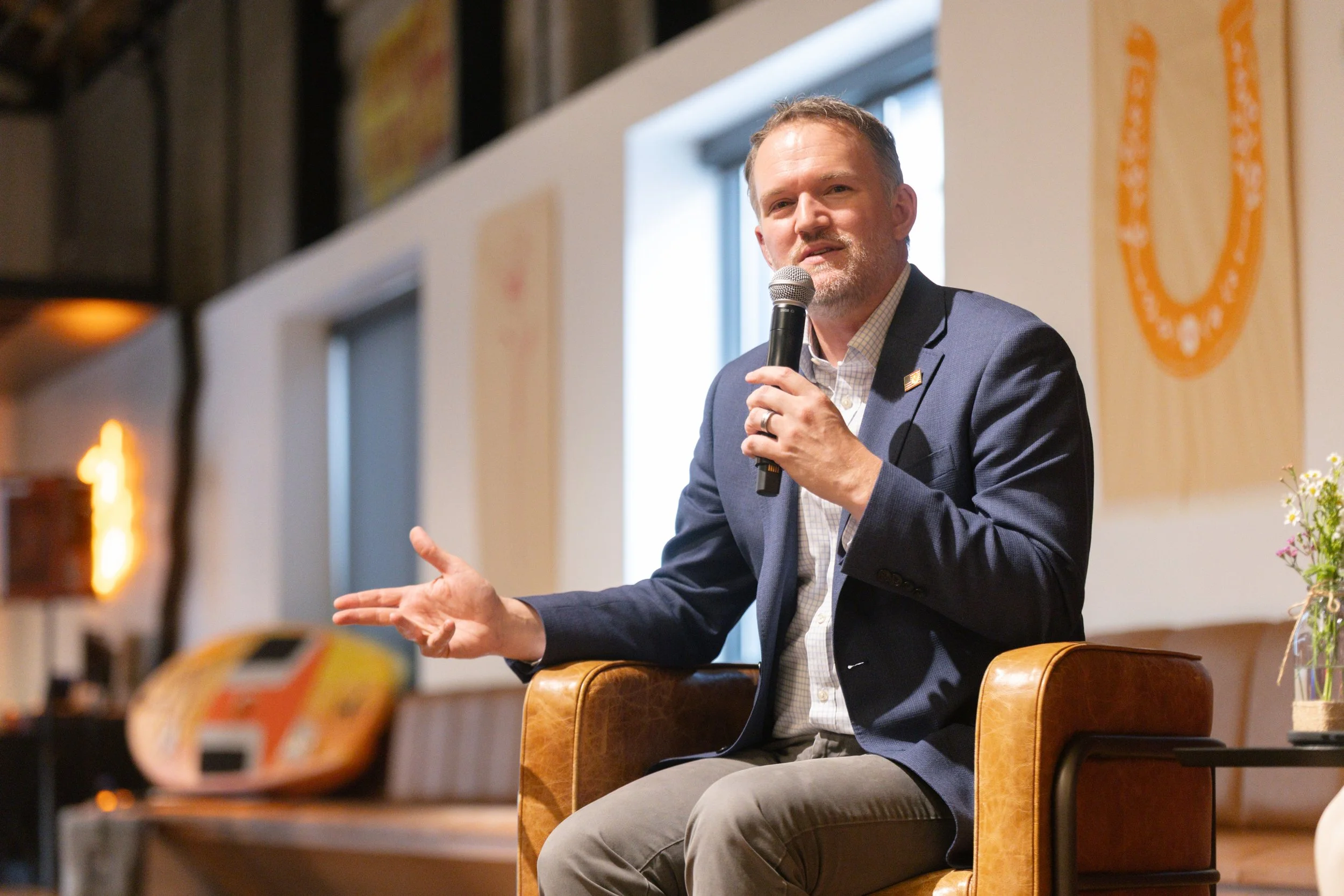
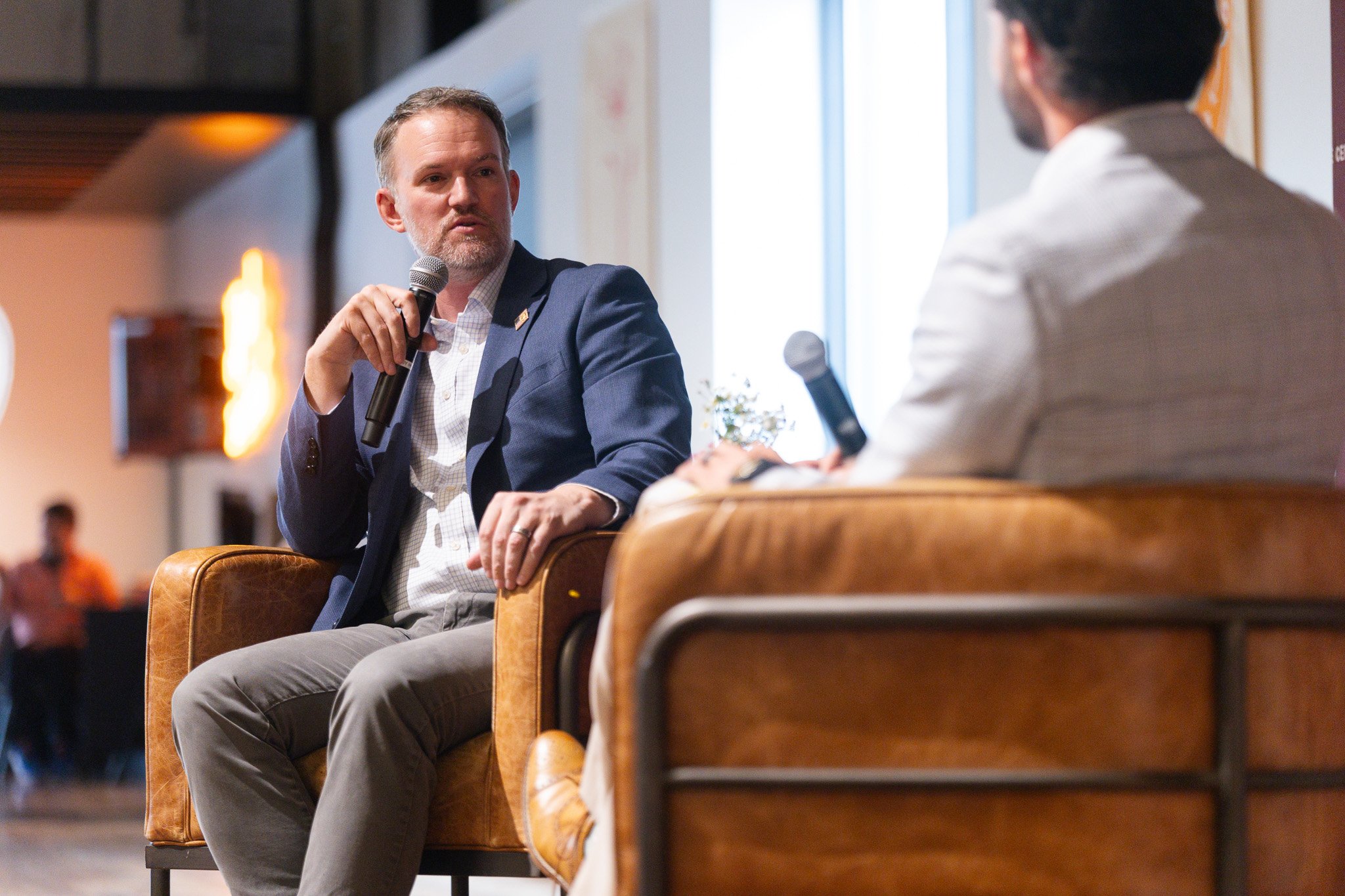
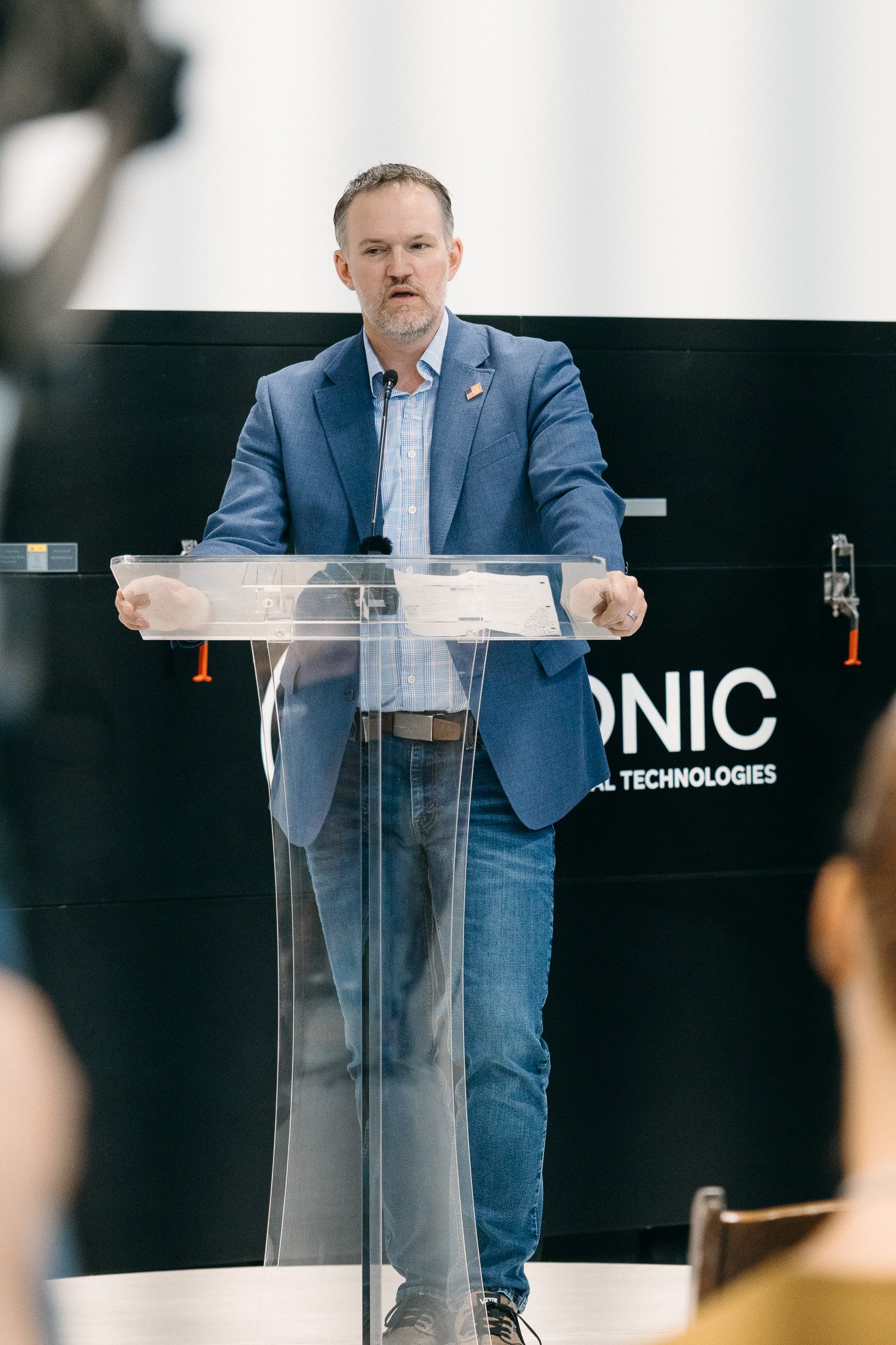
Before taking the stage at Traeger, Greer toured the company’s headquarters with CEO Jeremy Andrus, where the conversation began with the day-to-day realities of running a global business.
On stage, Andrus didn’t sugarcoat the challenge.
The past 18 months, he said, have been a “wild ride” for a company navigating one of the most complex global supply chains in consumer products.
Yet the conversation didn’t dwell on uncertainty. It focused on strategy.
That’s what Andrus meant when he encouraged businesses to “go on offense.”
Greer acknowledged the challenges companies are facing while encouraging executives to think beyond today’s headlines.
“You have to review your sourcing,” he said.
“It’s not going to be perfect. It’s not going to be painless, but it’s necessary.”
That message resonated throughout the room.
The following morning, during World Trade Center Utah’s weekly Trade & Tariff Briefing, Traeger EVP Global Supply Chain Philip Poel reflected on the conversation through the lens of someone making supply-chain decisions every day. Rather than reacting to each new tariff announcement, he said the discussion revealed something more valuable: a clearer understanding of the administration’s broader trade strategy.
“There is a playbook that’s opening up,” Poel said. Greer had begun “cracking those pages for us,” showing that “there is an end game to this, there is an outcome to this.” That perspective, Poel said, gave Traeger a stronger framework for advancing its supply-chain strategy rather than simply responding to each new policy development.
Five conversations. One Utah economy.
If Traeger highlighted the realities of global supply chains, Liberty Safe showcased the strength of American manufacturing.
Walking the factory floor in Payson, Greer saw firsthand the skilled workforce, American steel, and manufacturing capabilities that have defined Liberty Safe for nearly four decades.
CEO David Foley said the visit was a chance to talk through what’s at stake: “strengthening the U.S. manufacturing base, supporting domestic supply chains, and ensuring that trade policies create a fair and competitive environment for American companies and workers.”
Day 2 began at Jorgensen Farms in central Utah, where Greer met with Carson Jorgensen and other ranchers. Standing among grazing sheep, the conversation turned to a different side of trade — one measured not in shipping containers, but in family operations, rural communities, and markets that determine whether the next generation can stay on the land.
The conversation shifted again at Ionic Mineral Technologies’ Silicon Ridge site in Provo, where the focus wasn’t today’s supply chains, but tomorrow’s.
Founder and CEO Andre Zeitoun shared how the site’s unique clay deposits host 19 critical minerals and rare earth elements that could help reduce U.S. dependence on foreign sources for materials used in semiconductors, defense systems, and advanced technologies. It was a reminder that trade isn’t only about moving goods across borders — it’s also about building the industries that will define the next generation of American competitiveness.
Speaking after the tour, Greer said, “Here you are building what I think is one of the most comprehensive hubs for rare earth minerals and critical minerals.”
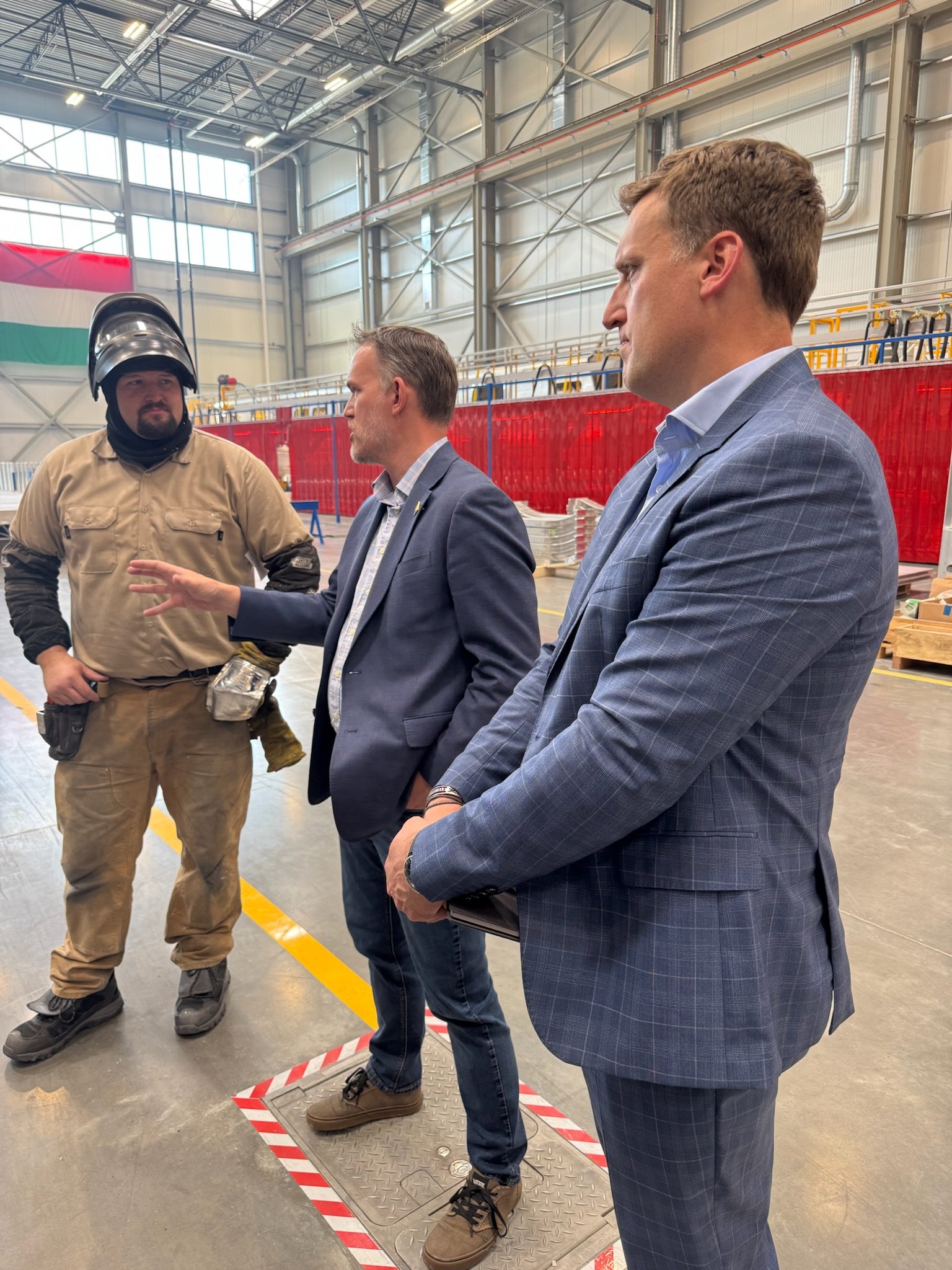
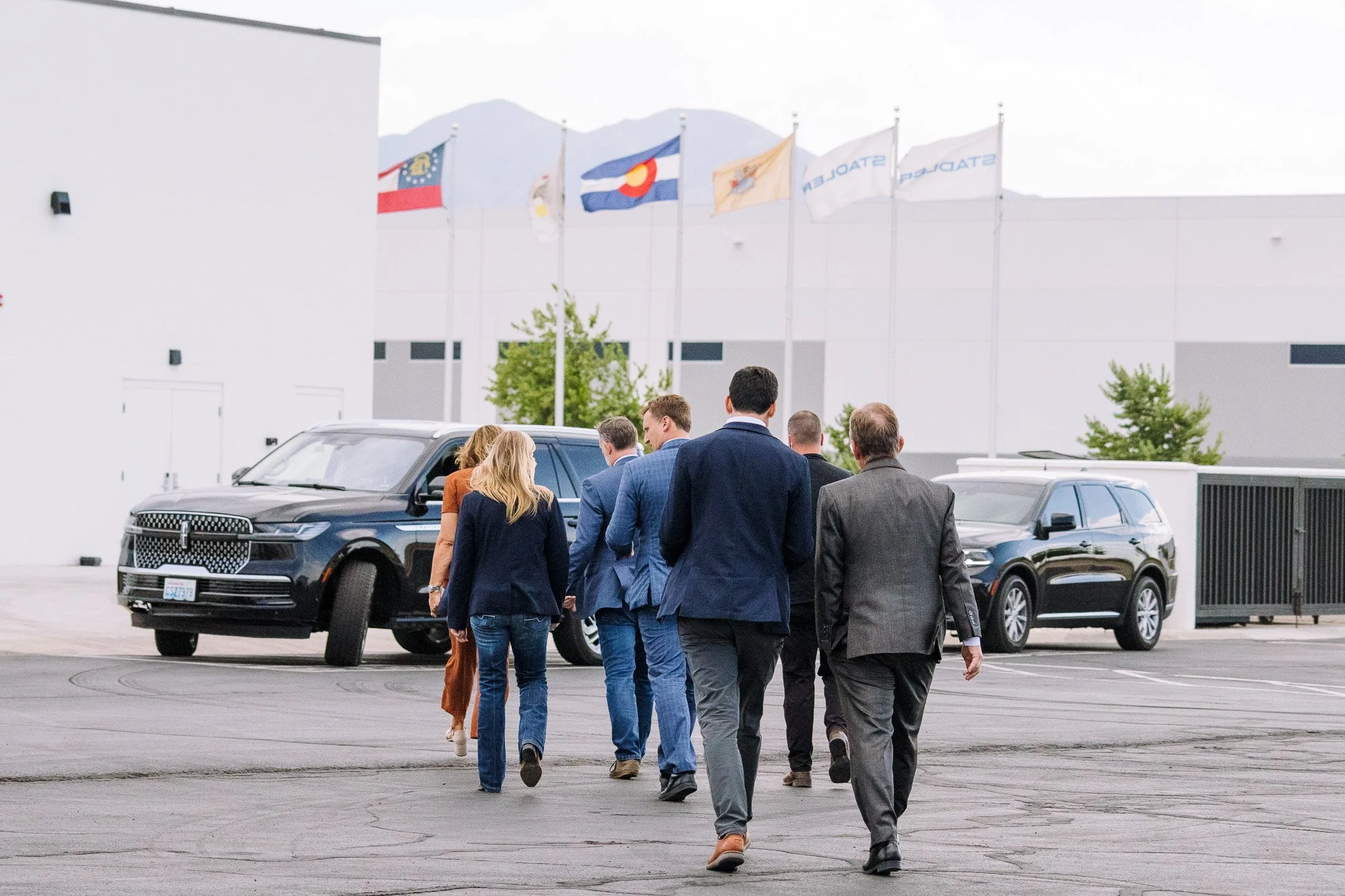
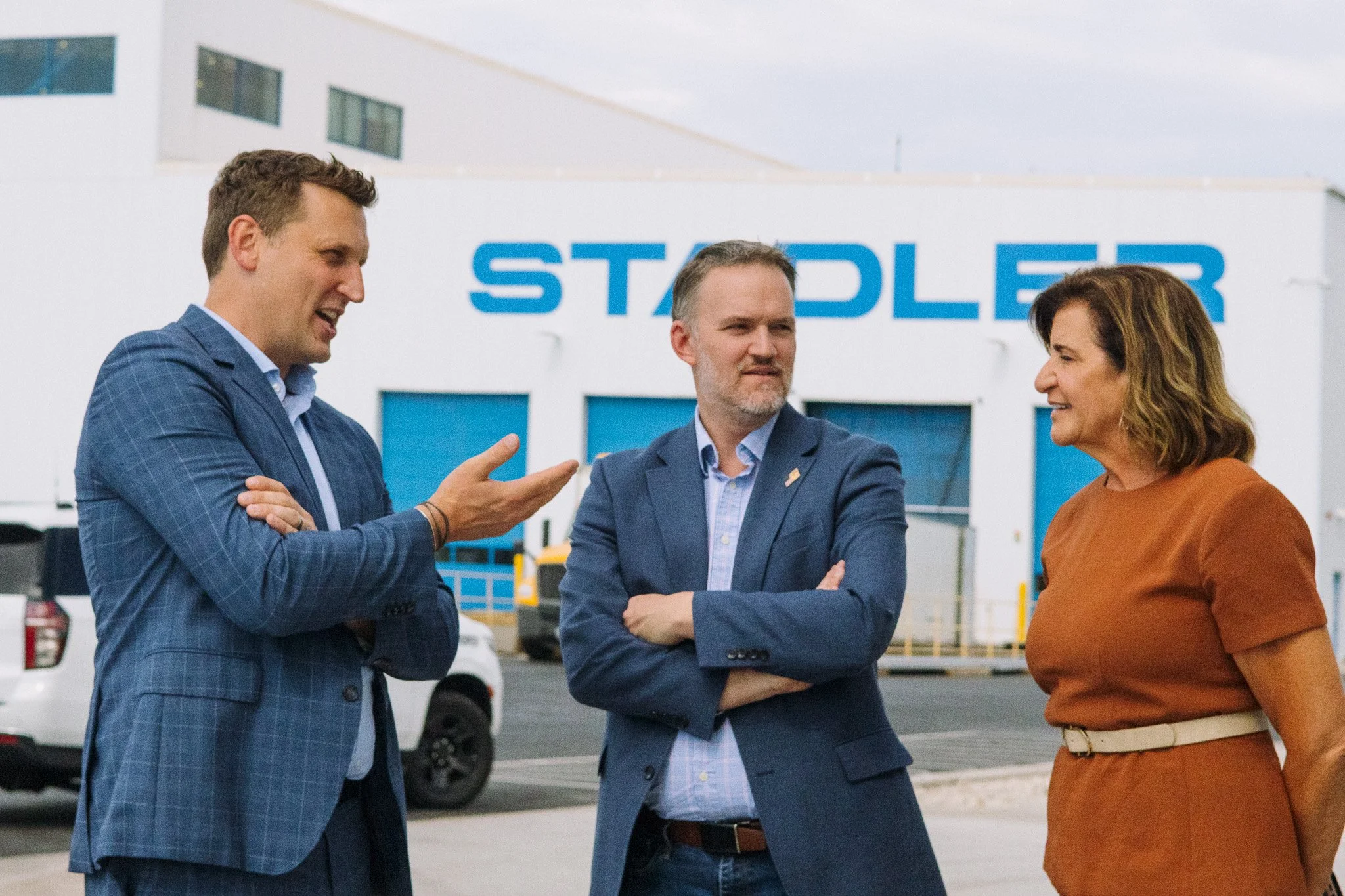
The final company visit brought the delegation to Stadler Rail, where Greer toured the manufacturing facility, met with employees and apprentices, and saw how international investment is creating advanced manufacturing careers in Utah.
CEO Martin Ritter and Chief of Staff Lucy Andre spoke candidly about the continued impact of Section 232 steel tariffs and rising costs for imported components.
“It is hurting us,” Andre told Greer.
But the conversation extended beyond today’s costs. Stadler reaffirmed its long-term commitment to Utah, where it employs approximately 750 people and expects to grow to around 1,000. Discussions also touched on workforce development, sourcing strategies, and the certainty businesses need to make long-term investments.
Together, though, they illustrated the breadth of Utah’s economy and why no single trade policy affects every business the same way.
The conversations didn’t end when Greer left. Days after the visits, the administration announced separate actions related to domestic aluminum production and critical mineral supply chains, another reminder that the issues discussed in Utah remain at the center of federal trade policy.
Moving the ball forward
Throughout the two-day visit, conversations built on one another. Executives compared notes across industries, challenged old assumptions, and thought differently about what comes next. They gave Greer a firsthand look at how trade policy decisions made in Washington play out across Utah’s economy.
That’s the value of convening.
From a backyard grill maker to a Swiss rail manufacturer to a family ranch, trade policy touches every corner of Utah’s economy, just differently for each. World Trade Center Utah’s weekly Trade & Tariff Briefings, trade missions, trade shows, and Foreign-Trade Zone program exist to help companies make sense of that shift. If your business is asking the same questions these leaders are, that’s exactly what we’re here for.