
Twice in one year. When the U.S. trade representative keeps coming back to Utah, that’s a signal.
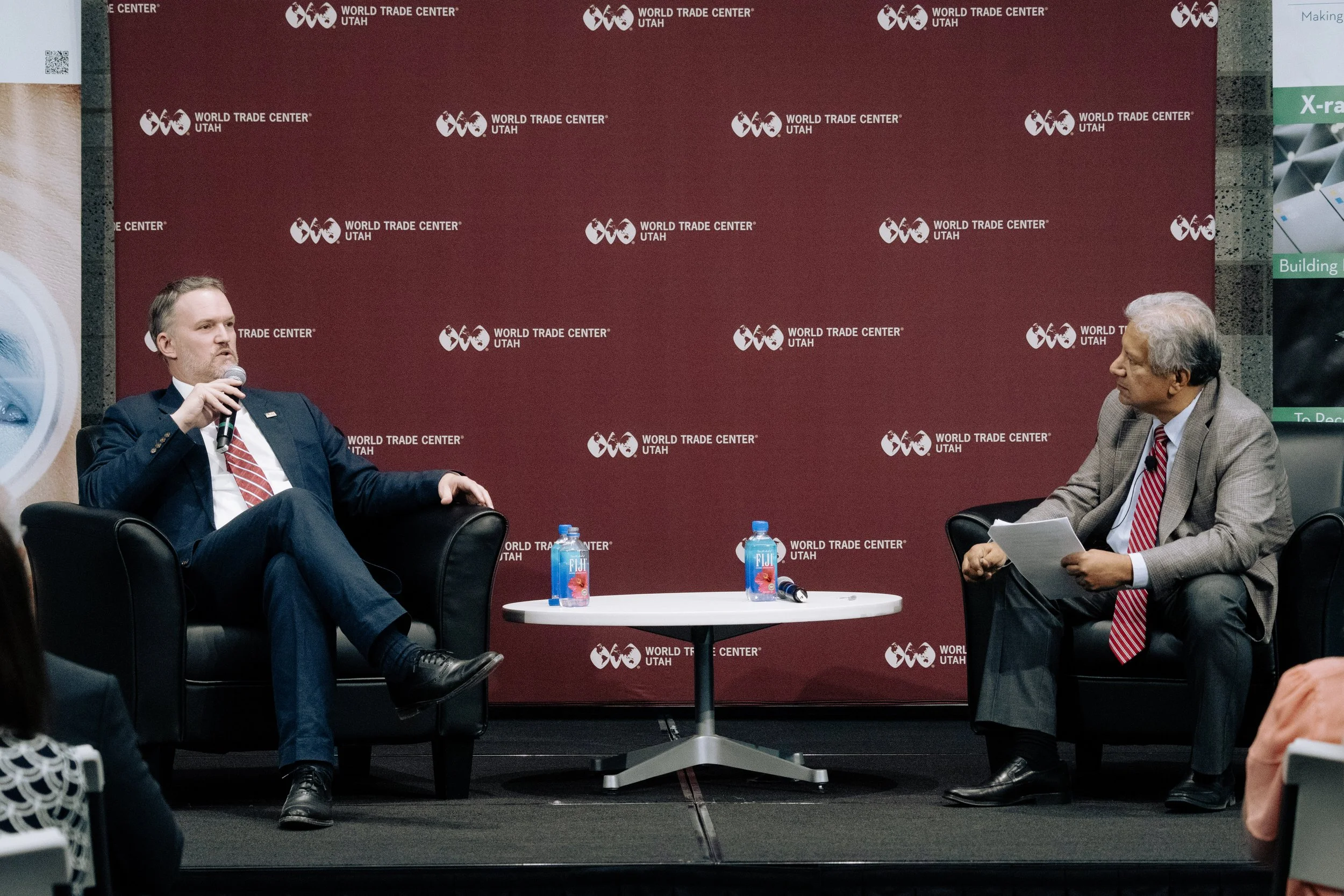
Ambassador Jamieson Greer has made two visits to Utah in just a few months, spending two days each time touring manufacturing facilities and meeting with business leaders about their most pressing challenges and how they’re innovating to stay competitive. In July, Greer toured Ionic MT, Liberty Safe, Skyline Sheep Company, and Stadler Rail and sat down with Traeger CEO Jeremy Andrus at World Trade Center Utah’s Global Advisory Board meeting.
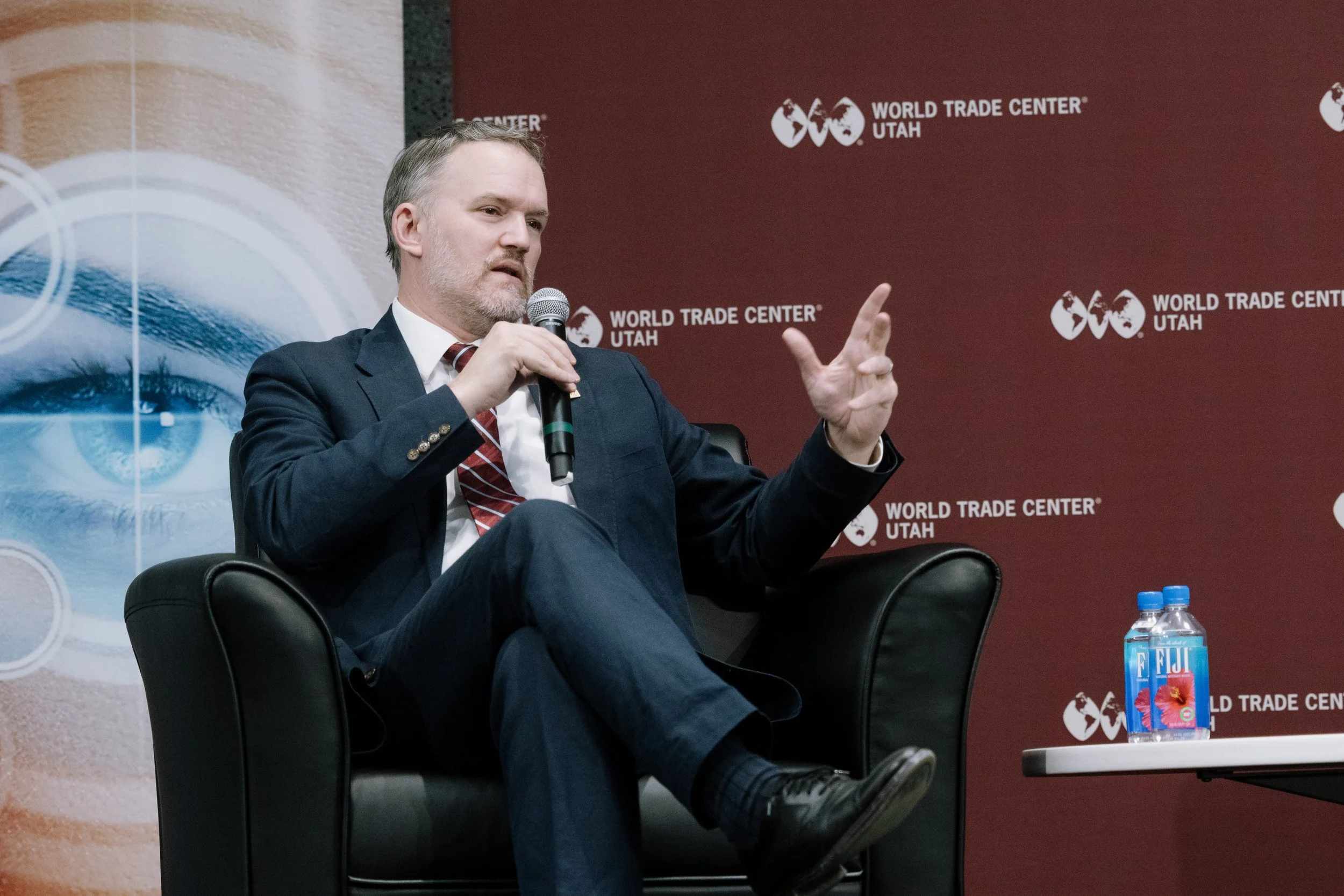
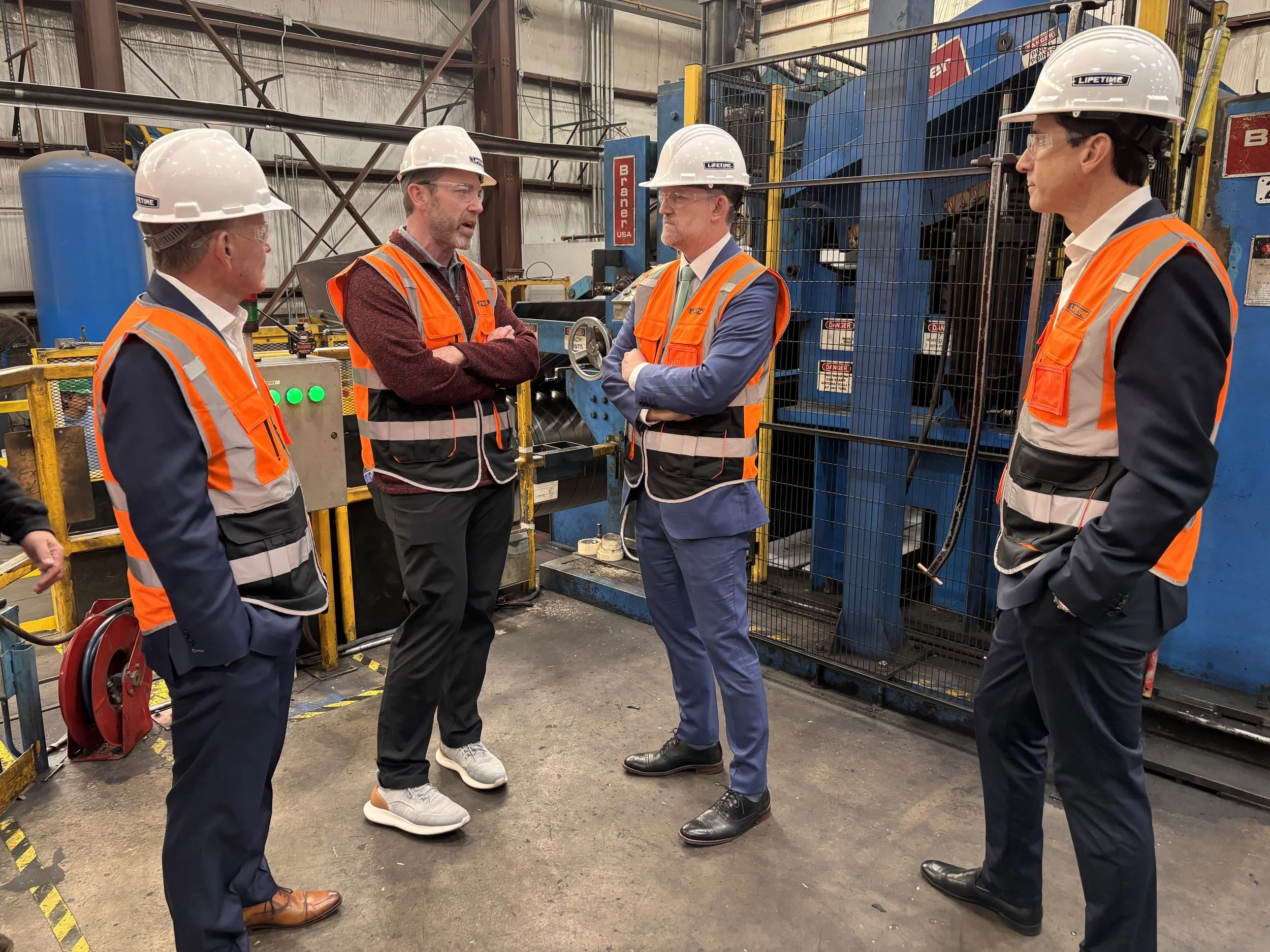
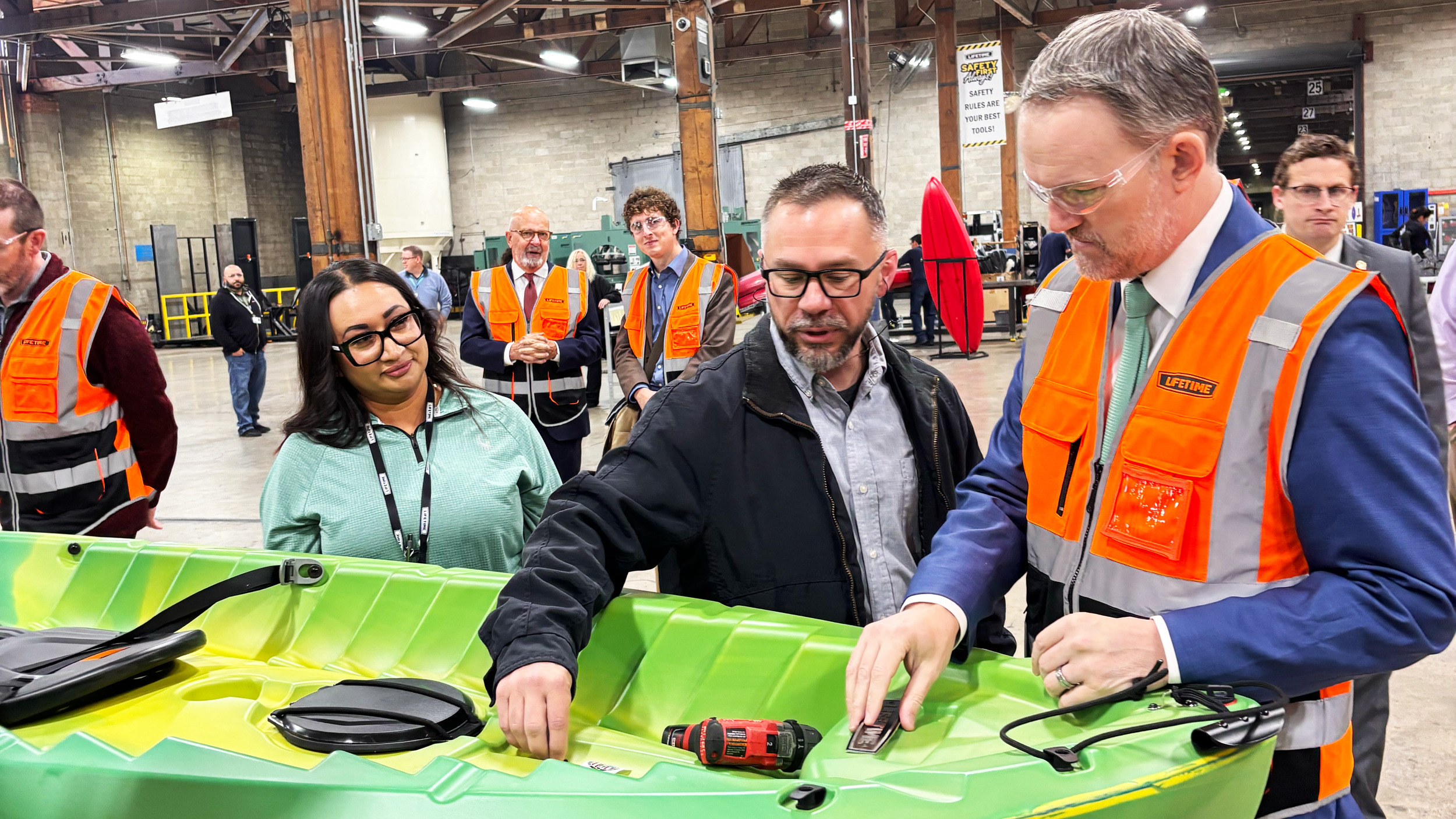
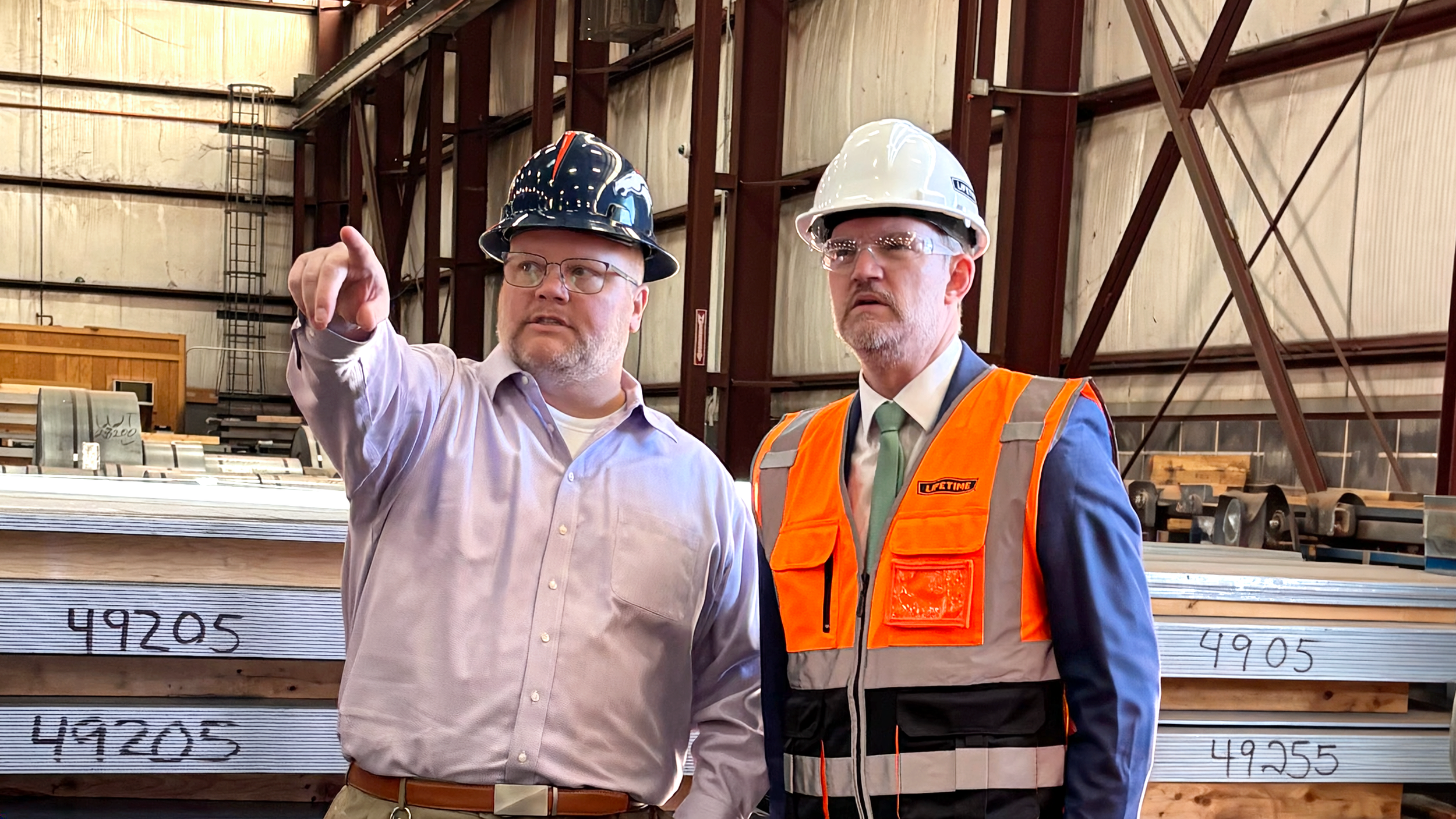
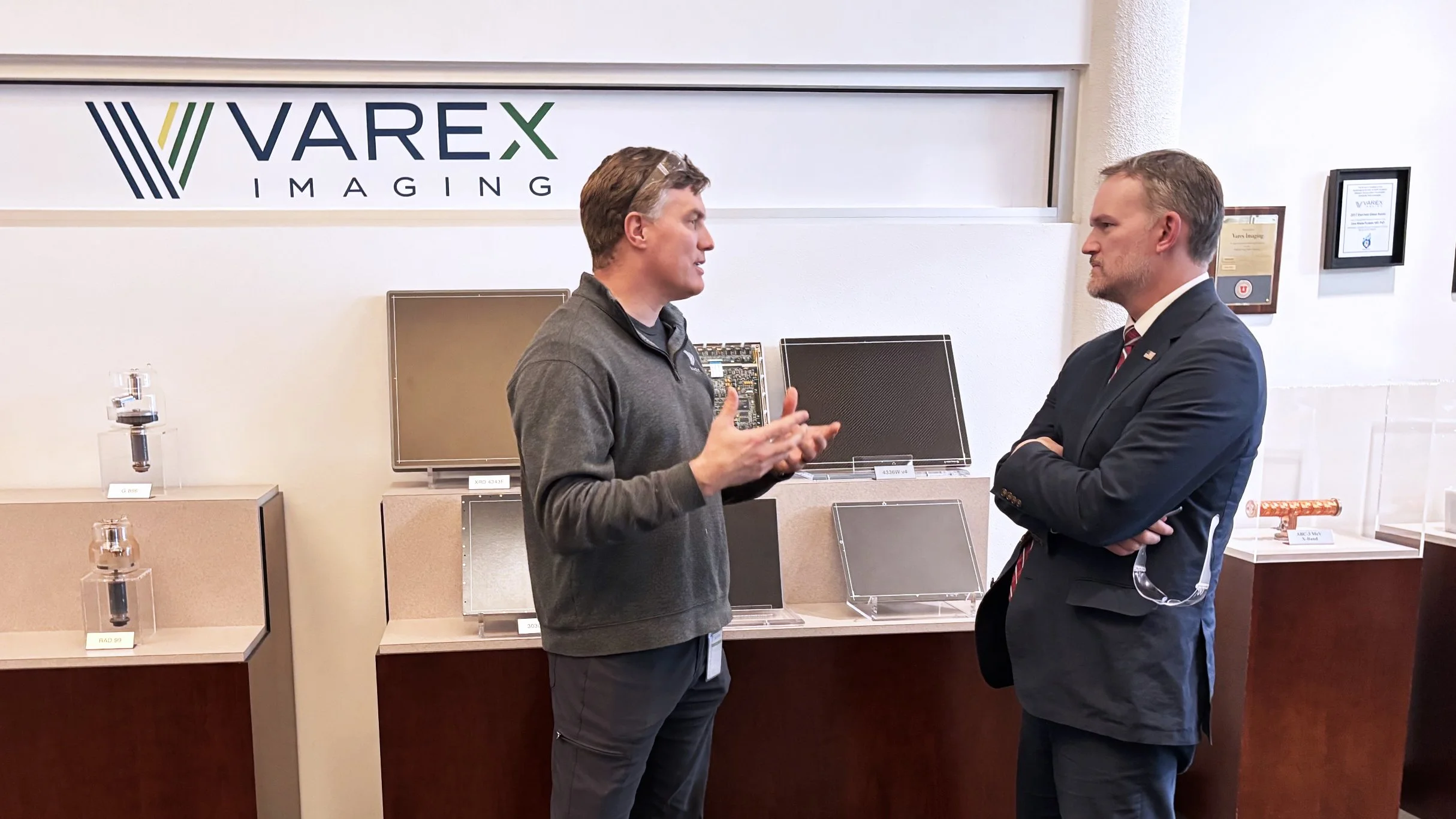
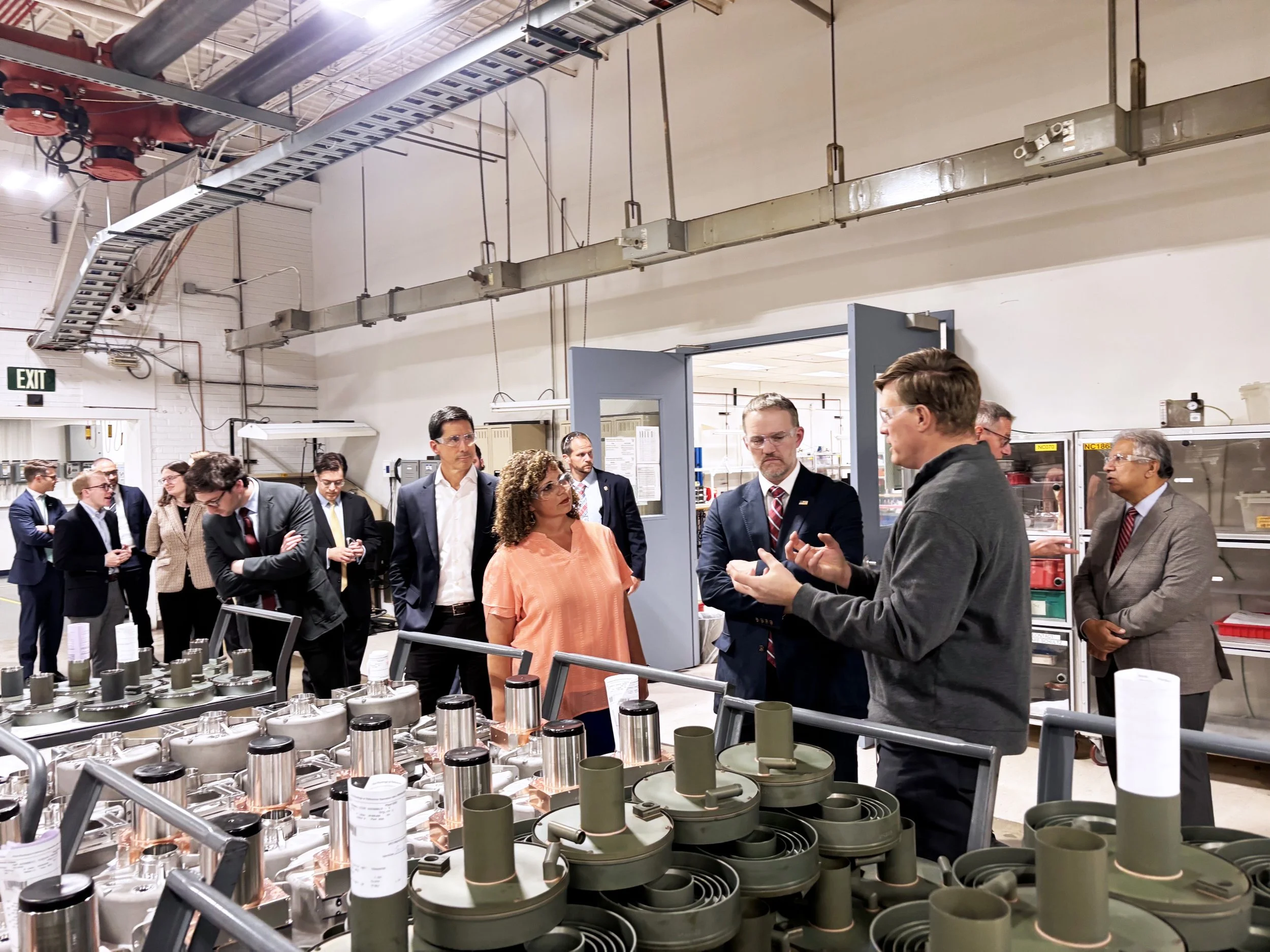
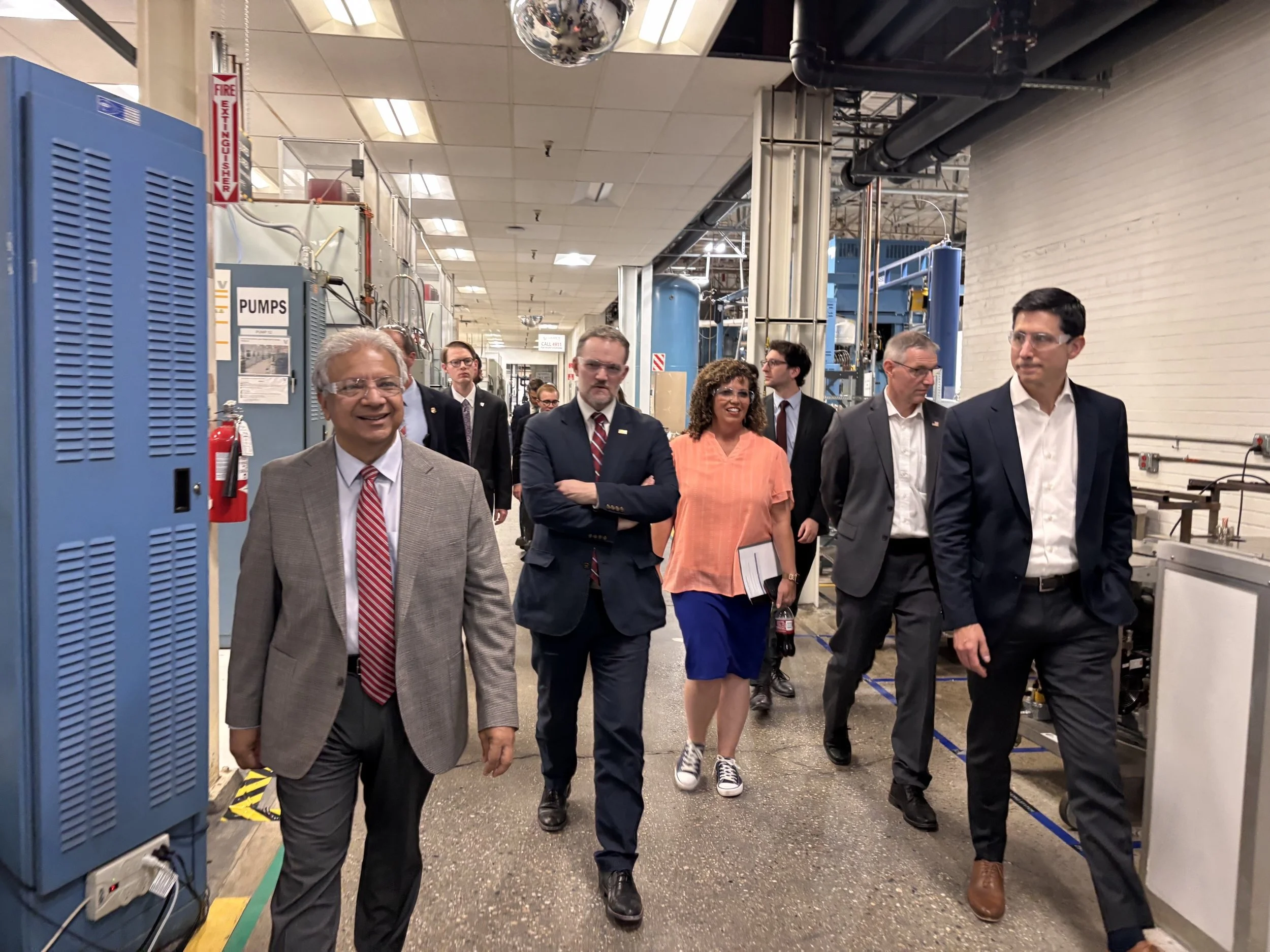
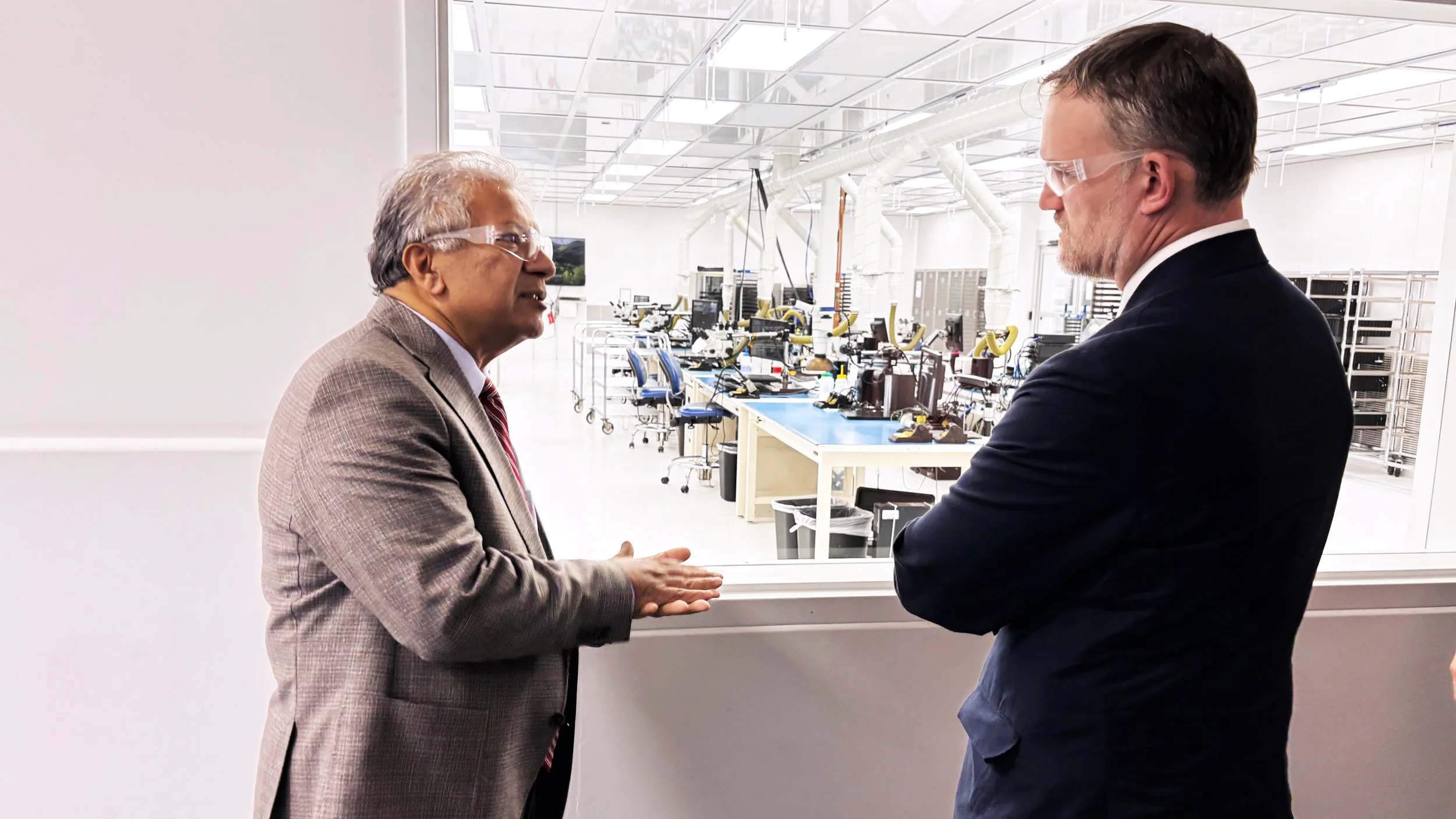
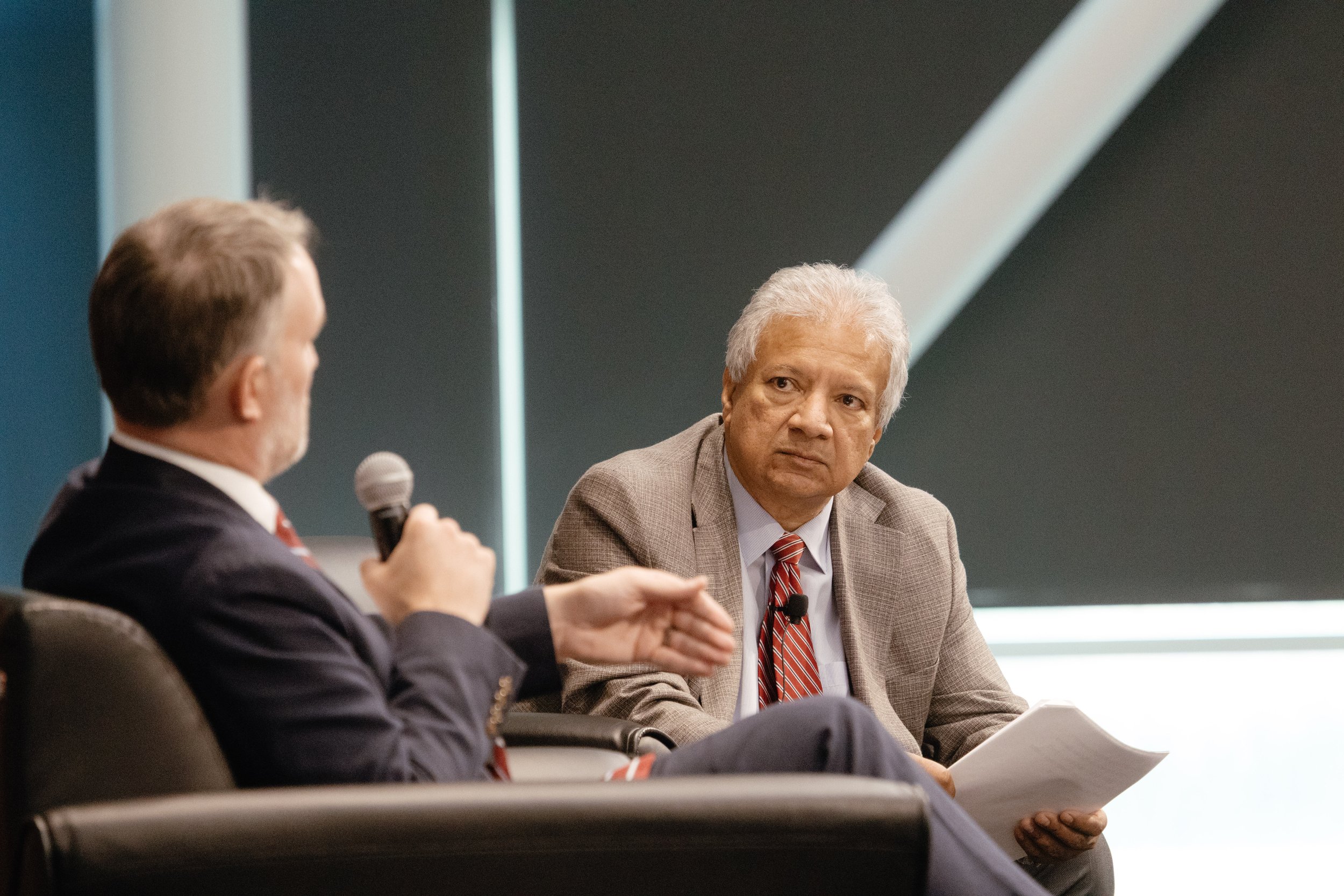
His October return reinforced the message: Utah businesses have Washington, D.C.’s attention as the administration shapes U.S. trade policy. This visit, Greer walked the floor at Lifetime Products in Clearfield, toured Texas Instruments’ semiconductor operation in Lehi (home to an $11 billion fab investment, the largest in state history), went behind the scenes at DPS Skis and toured Varex Imaging, both in Salt Lake City, before closing with a candid fireside chat with Varex CEO Sunny Sanyal.
From locomotives and outdoor grills to critical minerals, sheep farms, gun safes, basketball hoops, microchips, medical imaging, and skis: Greer saw a full range of Utah’s industries and the businesses behind them.
Seven takeaways from Ambassador Greer’s fireside chat:
The tariff landscape isn’t settling down. Plan accordingly. Greer told companies to expect continued adjustment, especially on China. Tariffs are a long-term tool in his view, not a bargaining chip that’s about to disappear. Businesses waiting for things to “go back to normal” need to plan for a different normal.
Don’t ask for a special exemption. Bring your industry. Company-specific tariff exclusions are off the table under the administration’s current approach. But Greer said the administration may consider cross-cutting adjustments when a problem hits multiple companies in a sector. Translation: Utah manufacturers who organize and speak with one voice can make a stronger case for relief.
Washington wants to hear about your bottlenecks. Greer specifically asked manufacturers to flag supply chain chokepoints — from difficulty sourcing critical inputs to domestic suppliers struggling to meet demand. This is an open door. Use it.
Think five to 10 years out. He urged companies to evaluate domestic sourcing and vertical integration now. The firms that move early on supply chain strategy may be better prepared for future disruptions.
The Western Hemisphere is the priority. Greer pointed to the U.S. and its neighbors as the preferred home for resilient supply chains and cautioned that alternatives carry their own risks. He also backed tighter USMCA rules of origin with more North American and U.S. content, plus tougher enforcement against goods routed through third countries to dodge tariffs.
Medical device makers, watch this space. Healthcare components were singled out as a national security concern. At the time of the discussion, an update on the medical-device Section 232 investigation was expected in the coming weeks, though Greer didn’t anticipate dramatic immediate changes.
Utah’s playbook is working. Varex, which exports roughly 70% of its sales, set up a foreign-trade zone with support from WTC Utah and other Utah resources. Greer pointed small businesses to WTC Utah’s tariff dashboard and SBA resources, such as STEP grants, that can help companies expand globally.
The bottom line: Utah has the U.S. trade representative’s attention. The businesses that show up, share their data, and plan ahead can help shape policy.
Why these visits matter
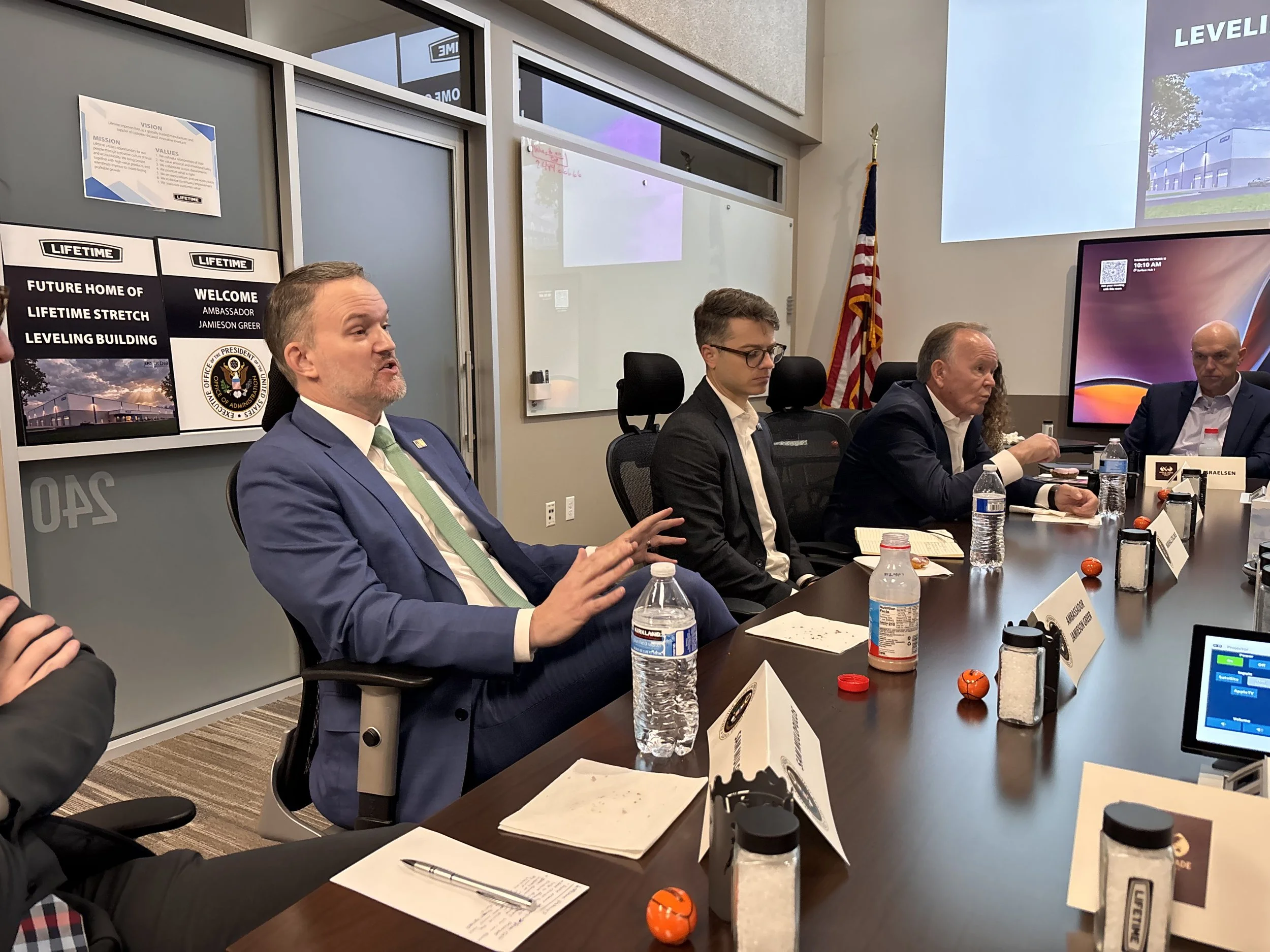
Utah companies heard directly from the nation’s top trade negotiator, and just as important, he heard from them. Manufacturers laid out real bottlenecks, real costs, and real tradeoffs, and in some cases the conversation turned to working through solutions right there in the room. That exchange matters when the people setting trade policy sit across the table from the people living it. Every time Utah business leaders show up and speak plainly about what’s working and what isn’t, they help shape how Washington understands the issues, giving our state a stronger voice in the conversation.