
2026 Crossroads Trade Summit: Five insights shaping business decisions in a changing world
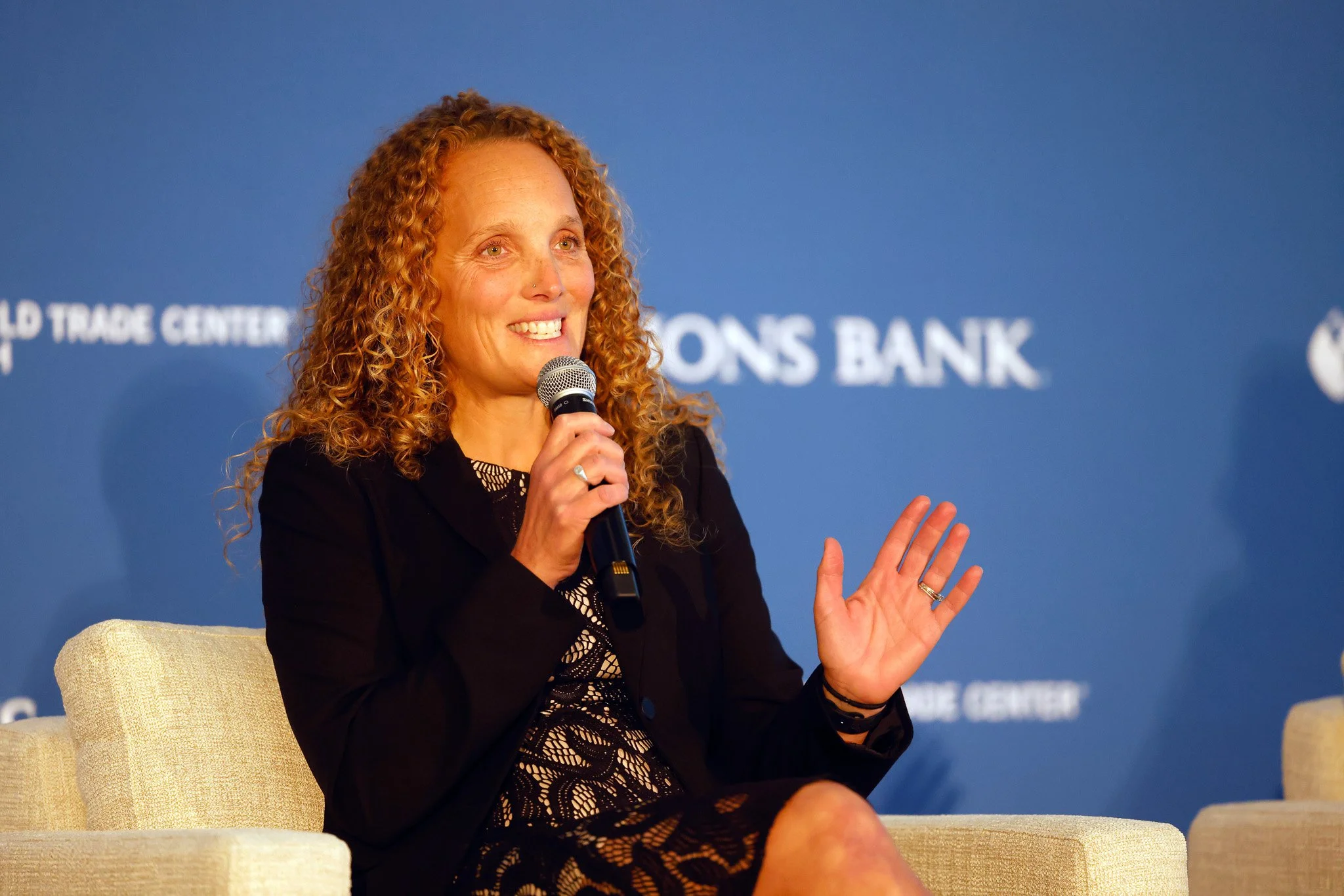
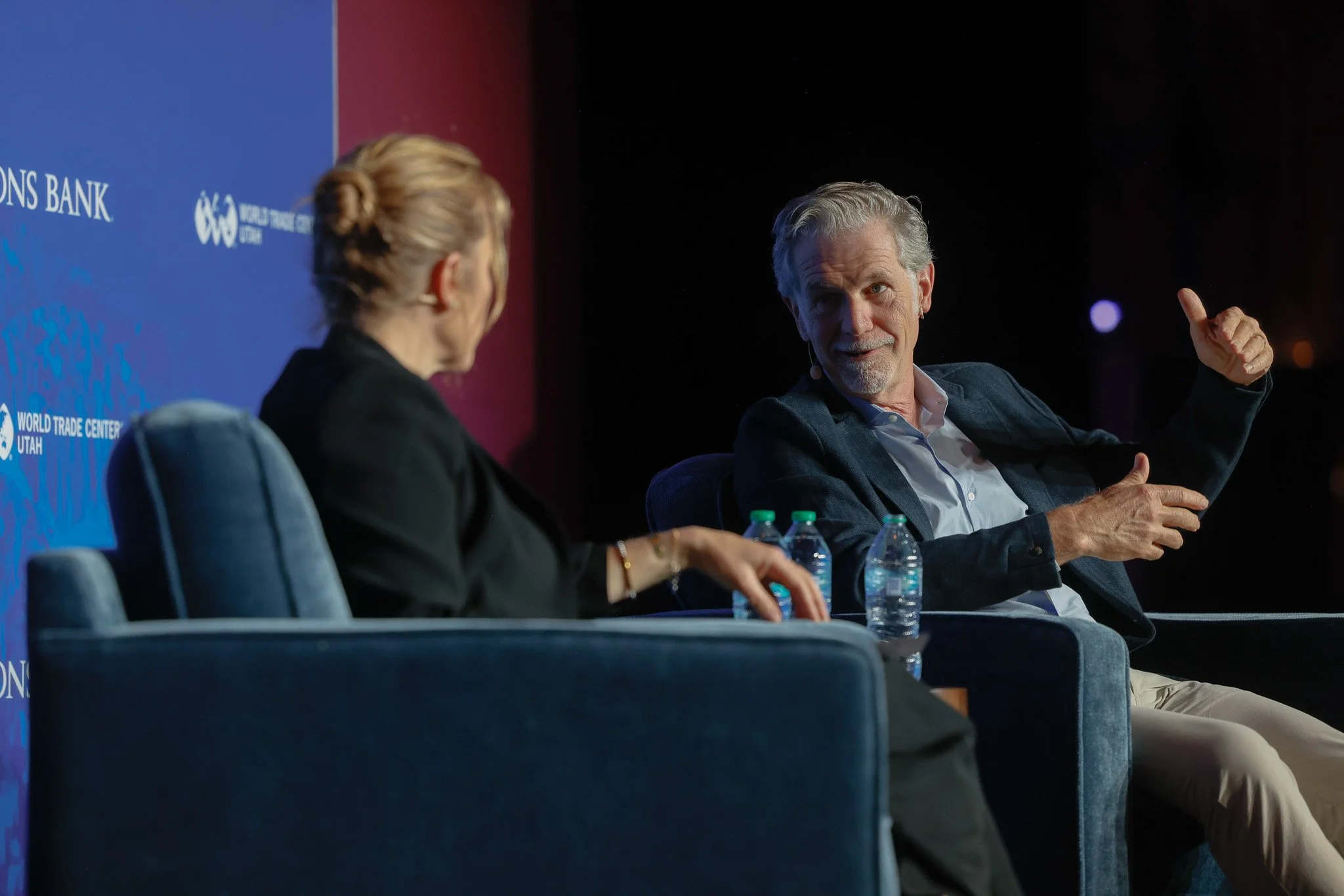
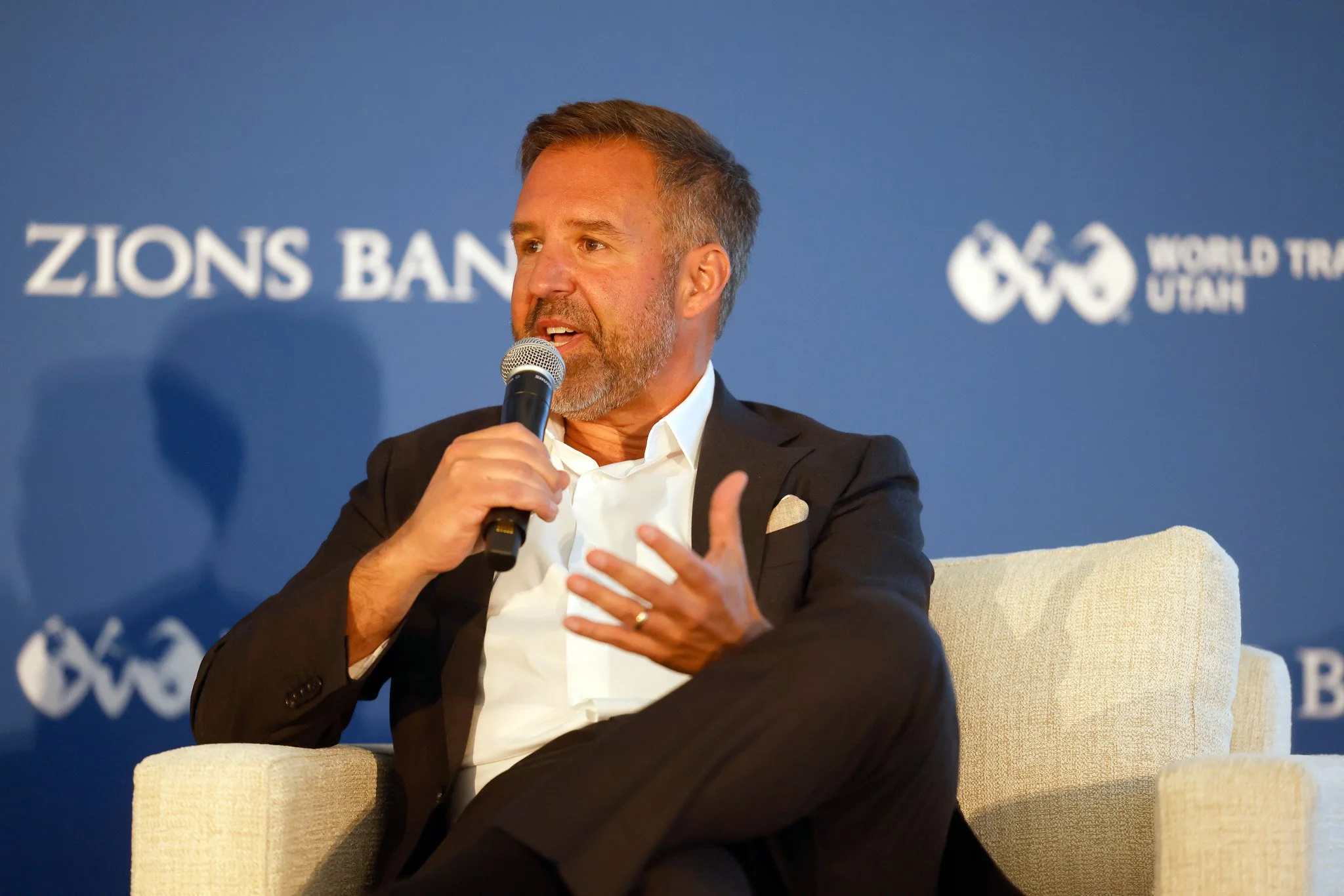

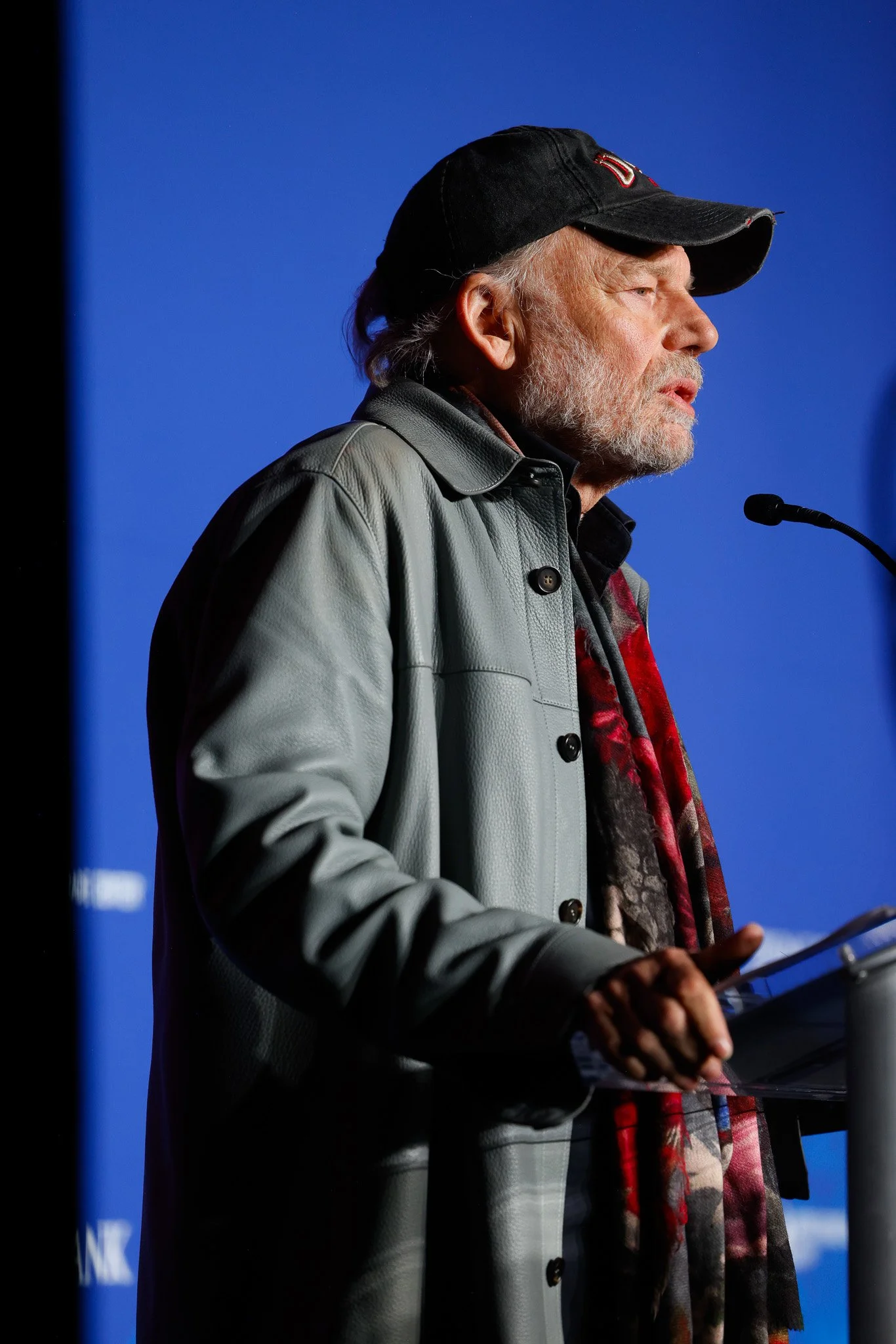
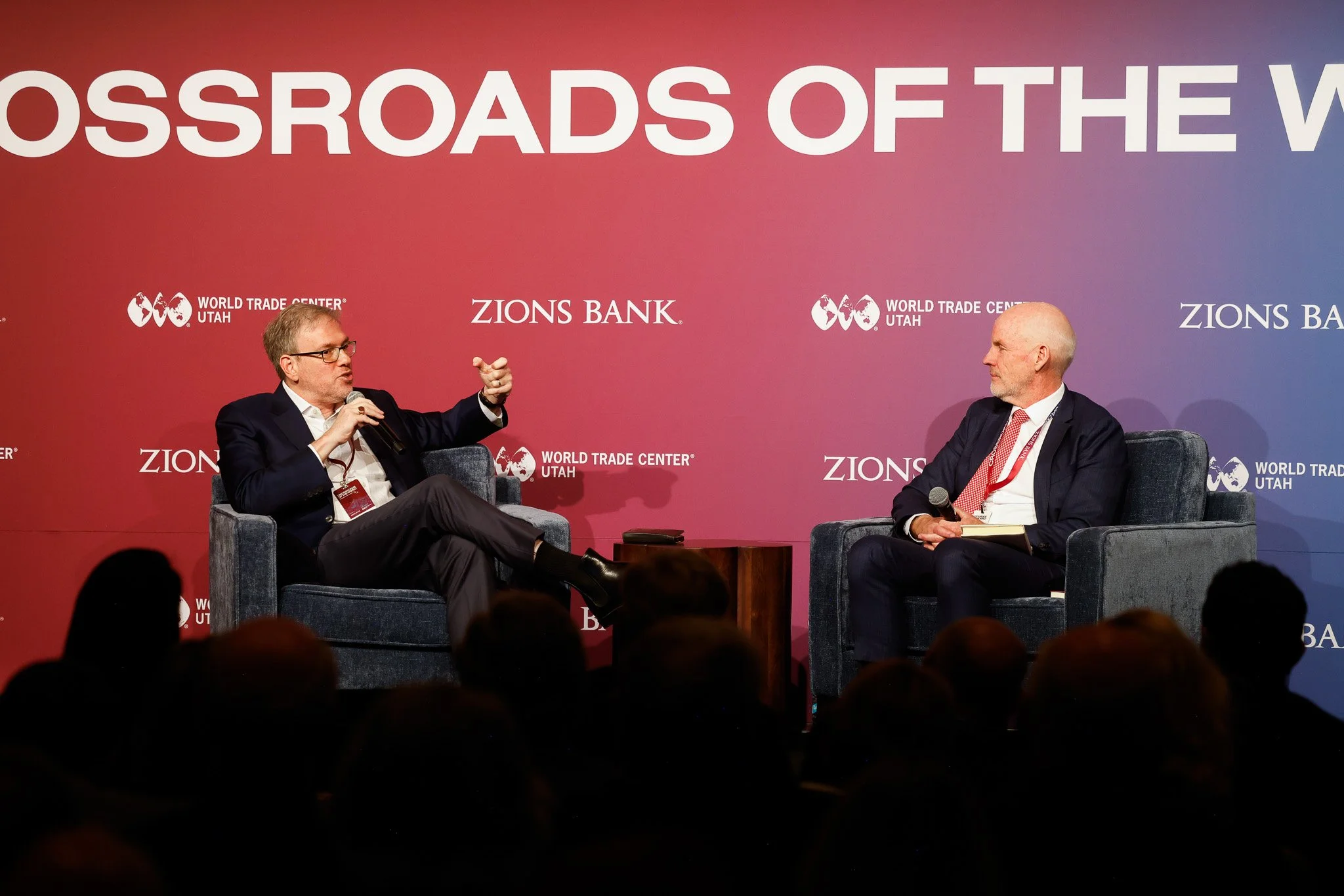
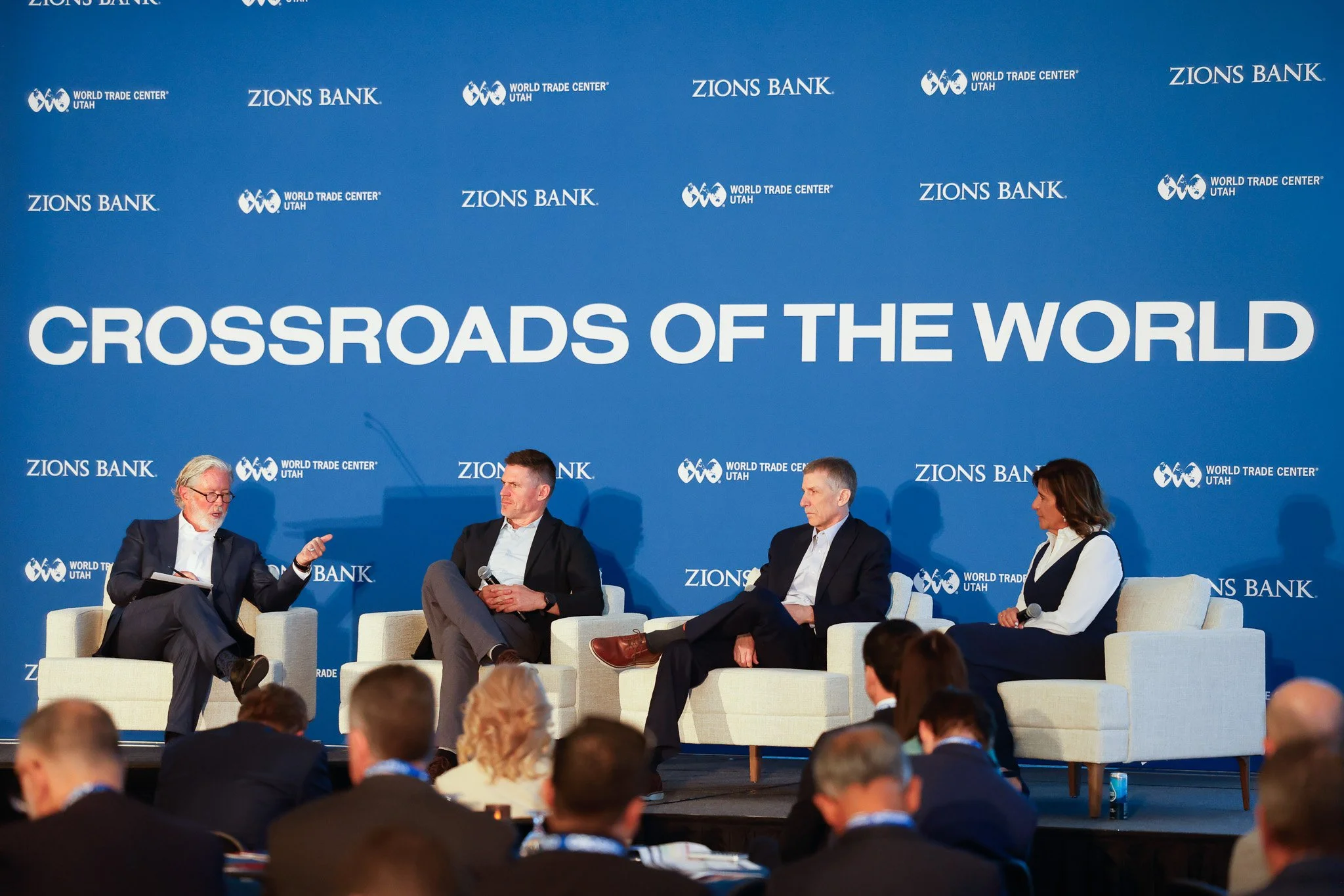
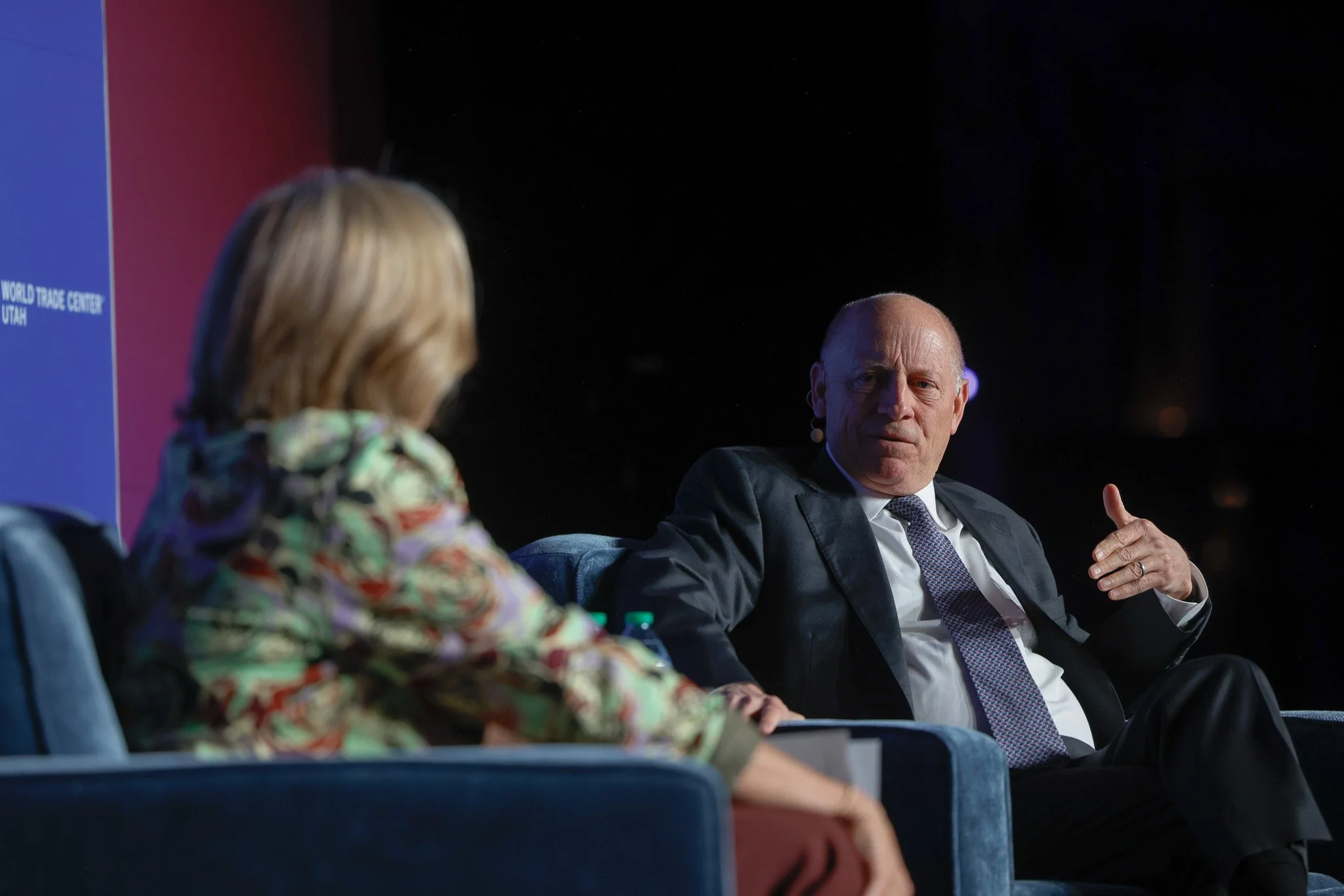
A tariff announcement. A shipping disruption. A new AI tool. An energy constraint. A conflict halfway around the world.
Not long ago, those might have felt like separate conversations. Increasingly, they’re the same conversation.
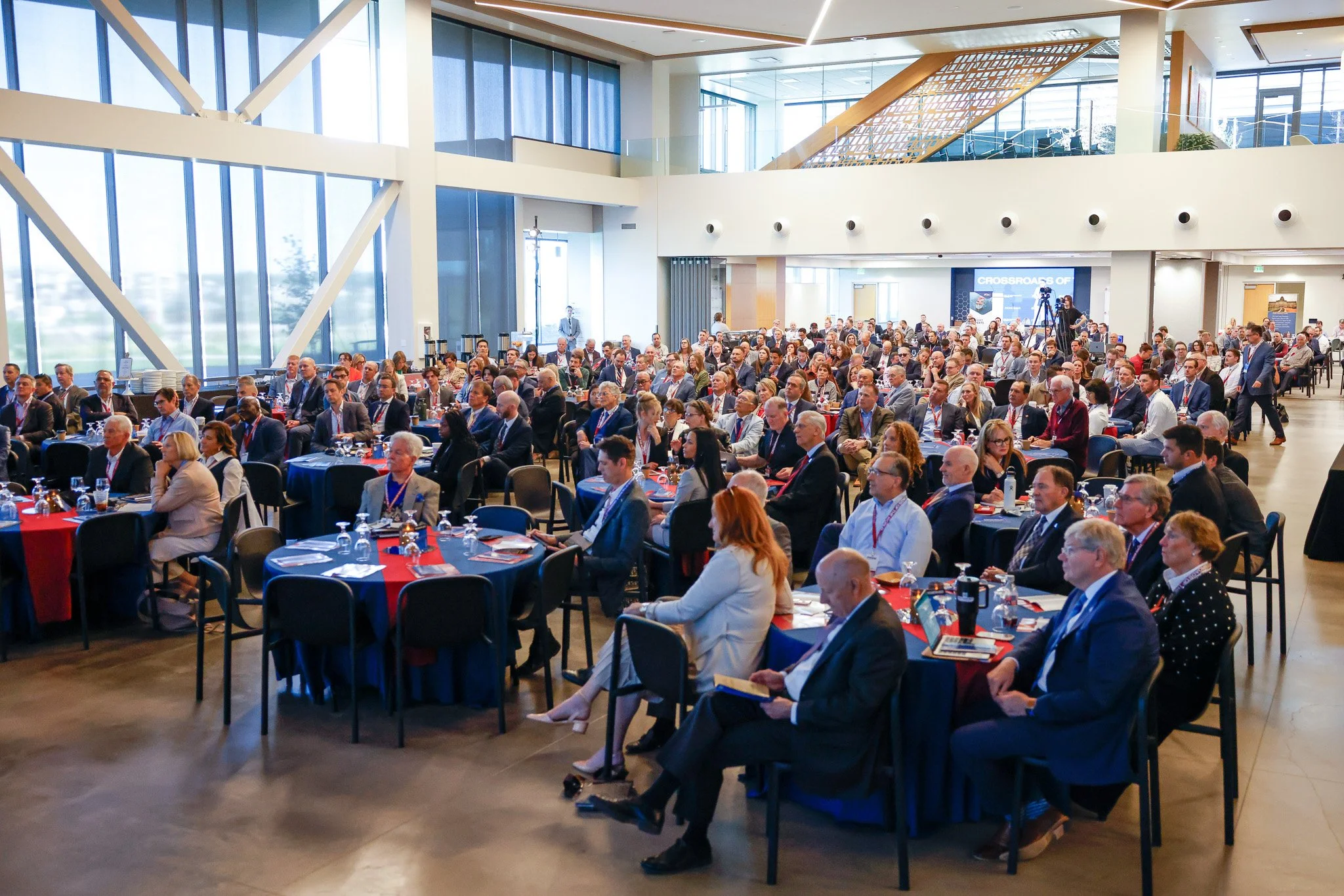
Trade, technology, energy, supply chains, and global events are increasingly connected. Understanding those connections — and what they mean for customers, employees, and growth plans — sat at the center of discussions during the 2026 Zions Bank Crossroads of the World International Trade Summit, in partnership with World Trade Center Utah.
1. Global events are now business realities
For many businesses, the most significant risks — and opportunities — are no longer confined to their industry or geography.
Throughout the summit, speakers from business, government, and international affairs highlighted how developments around the world increasingly influence decisions made in boardrooms, manufacturing facilities, distribution centers, and small businesses alike.
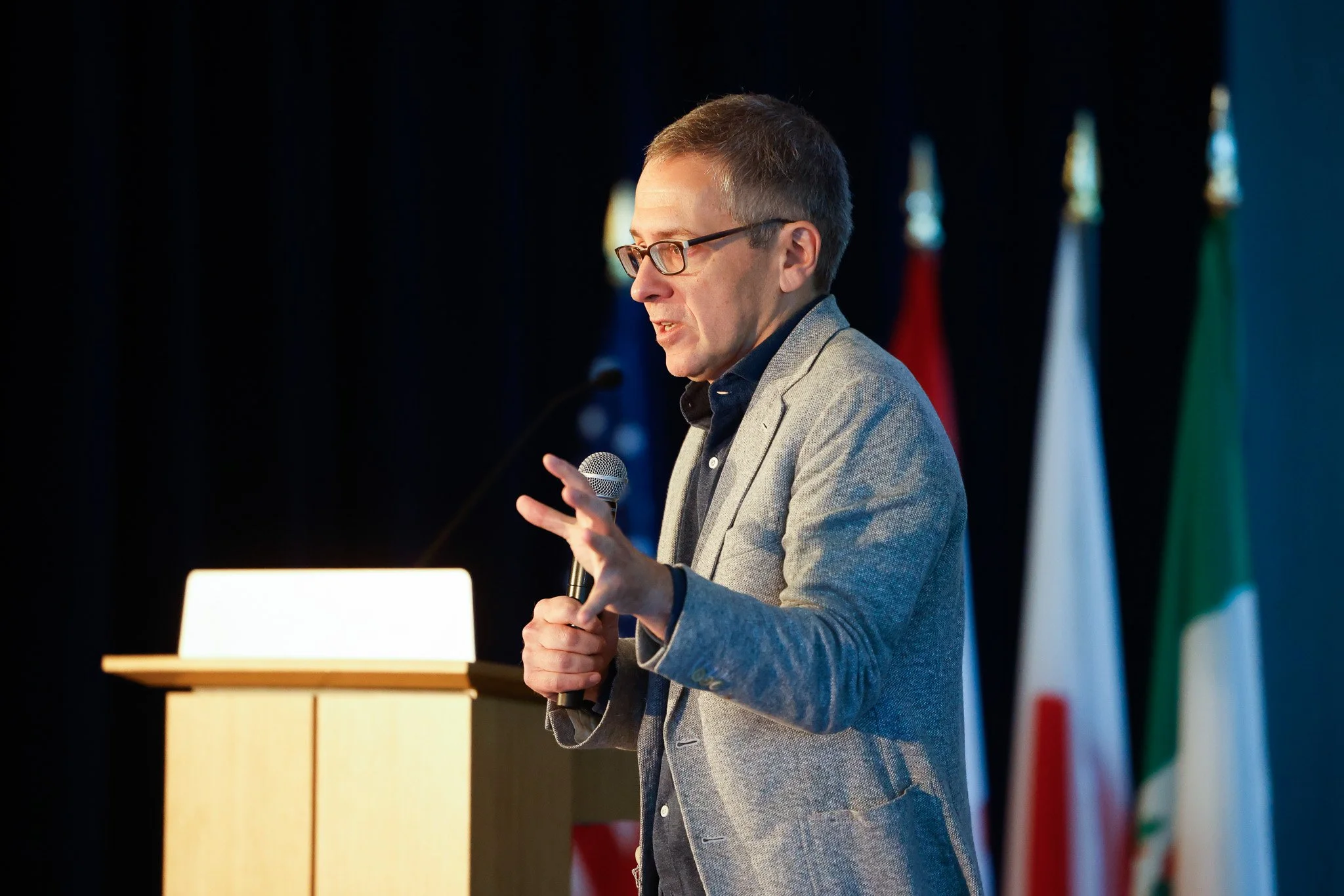
Ian Bremmer, Walter Russell Mead, Bret Stephens, retired Brig. Gen. Eric Strong, and Peter Zeihan each approached the topic from different angles. Some focused on conflict and national security. Others focused on demographics, trade, economic competitiveness, and long-term global trends. Together, they painted a picture of a world where developments thousands of miles away increasingly influence business decisions closer to home.
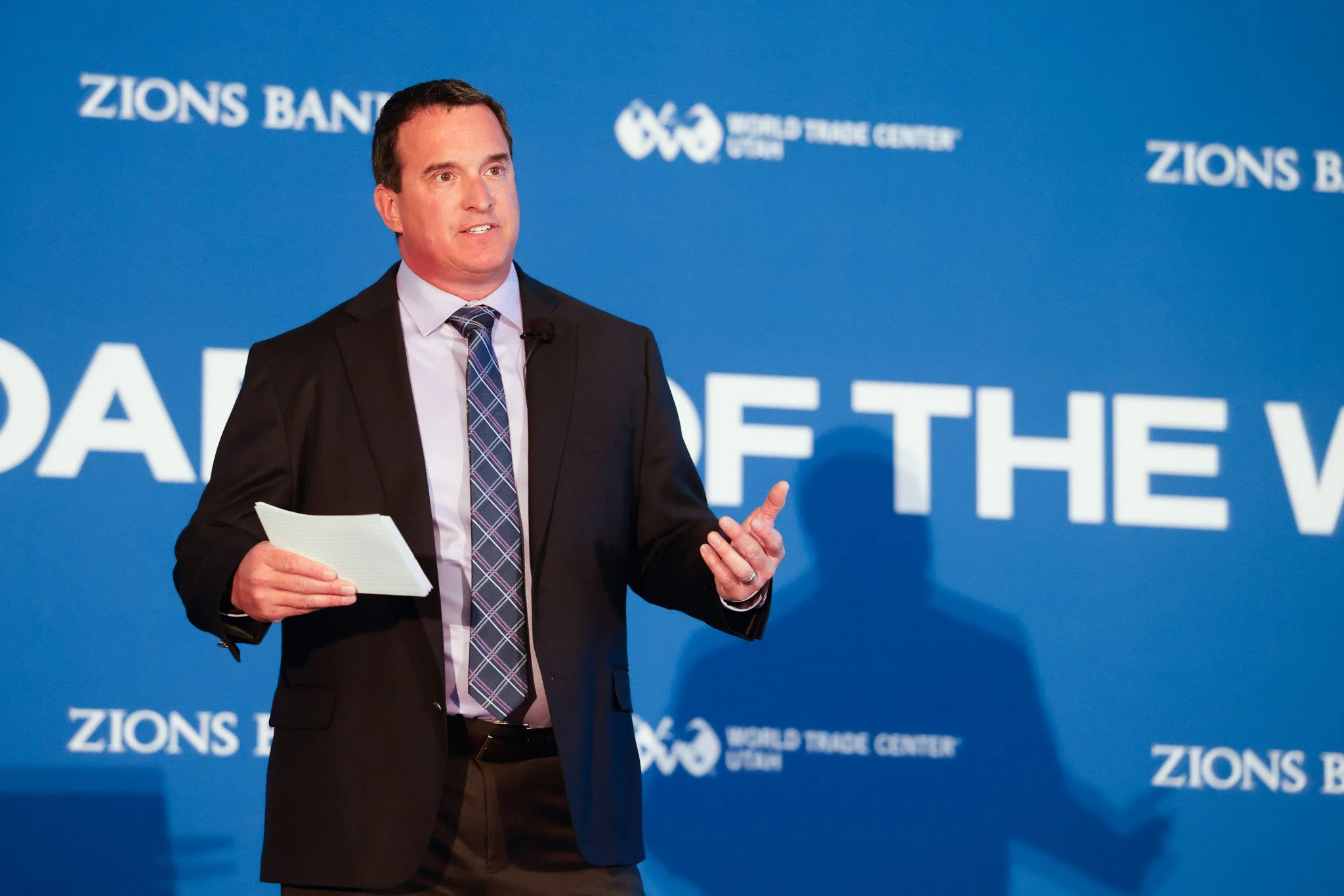
“It's been described right now as ripples... it's a series of waves.”
— Eric Strong, retired brigadier general and World Trade Center Utah's national security advisor
Strong described those impacts not as isolated disruptions, but as a chain reaction that extends far beyond the original event.
Whether discussing shipping routes, energy markets, labor shortages, demographic shifts, or supply chains, the message was remarkably consistent: understanding broader global trends has become an increasingly important part of understanding your own business and preparing for future disruptions.
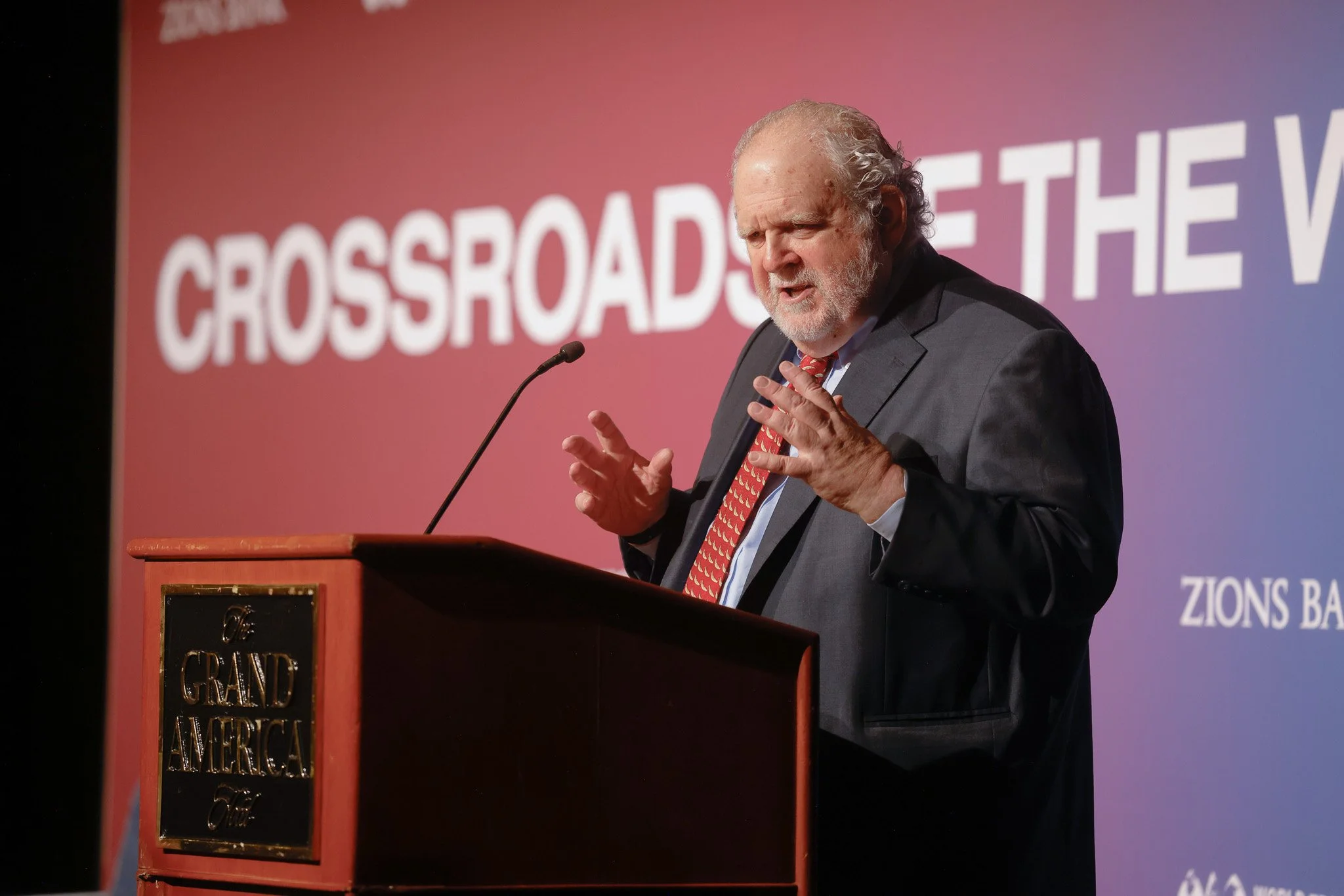
“How do we ride the waves of change, surf the waves of change, rather than getting surfed by them?”
— Walter Russell Mead, Global View Columnist, The Wall Street Journal; Distinguished Fellow, Hudson Institute
2. The map of trade is being redrawn
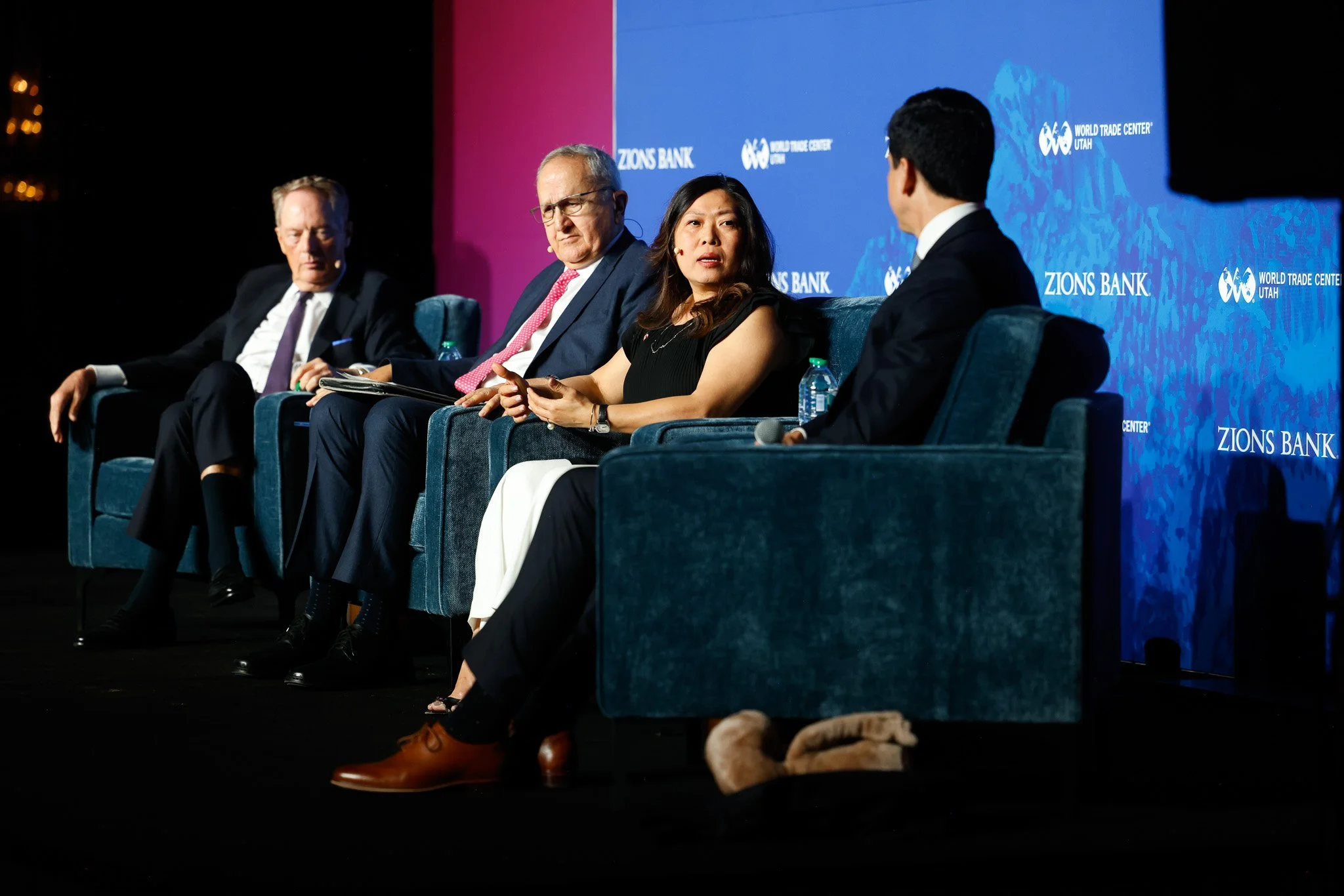
Few conversations were more timely than the discussion between former U.S. Trade Representative Robert Lighthizer, former Canadian Minister of International Trade Mary Ng, and Jesús Seade, Mexico's ambassador to China and former USMCA negotiator.
Their conversation came as the United States, Canada, and Mexico prepare for the 2026 joint review of the United States-Mexico-Canada Agreement (USMCA) — a pivotal milestone that could influence North American trade, investment, manufacturing, and supply chains for years to come.
While the panelists brought different perspectives to trade policy, they repeatedly returned to the reality that North America's economies have become deeply interconnected.
Ng offered one of the clearest descriptions of the agreement's impact.
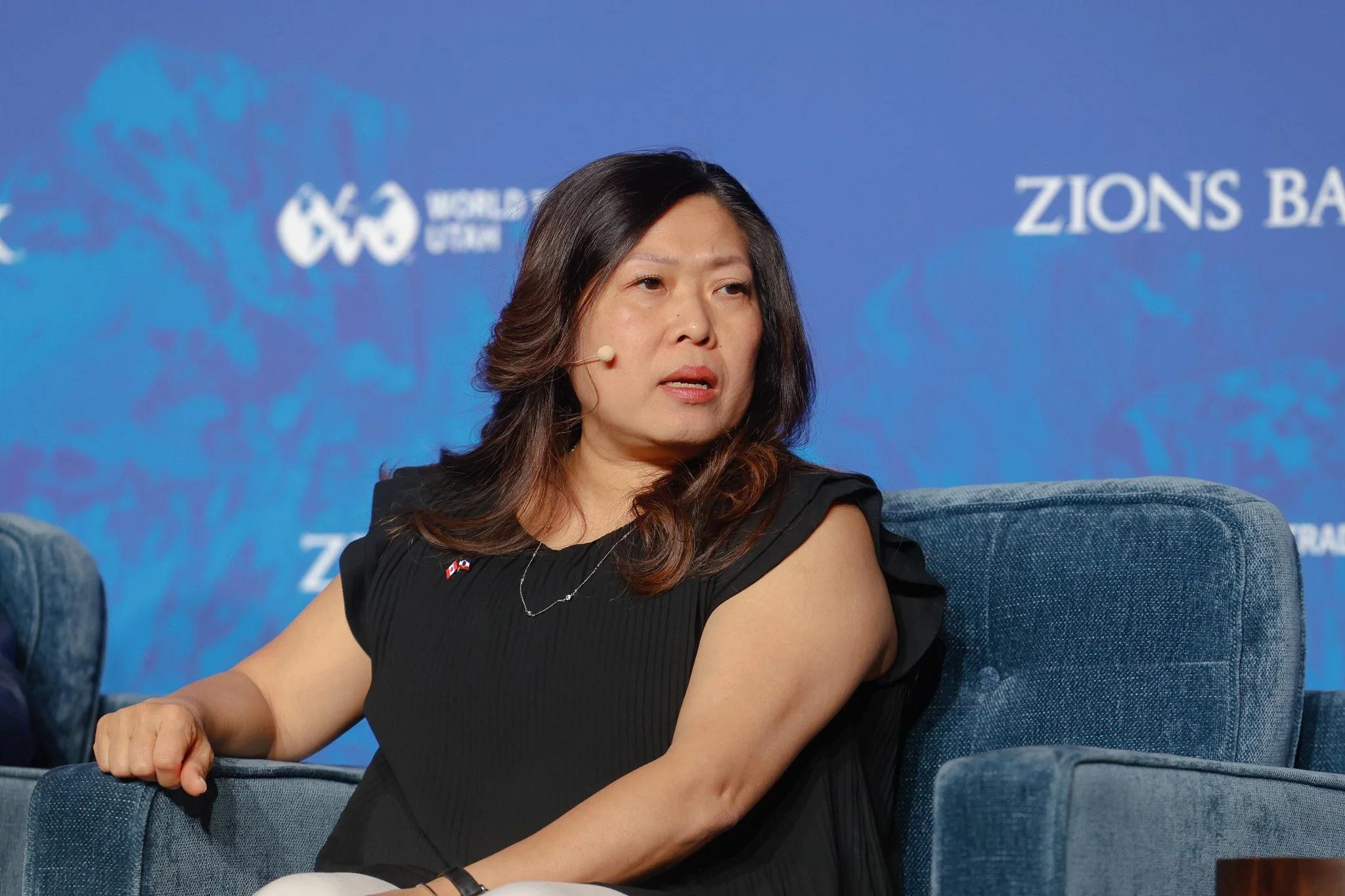
“It really was, and is, a co-production agreement.”
— The Honourable Mary Ng
Her point was simple: competitiveness increasingly depends on networks, partnerships, and integrated supply chains that cross borders.
For businesses, the significance extends beyond trade policy. Decisions made during the review process could influence manufacturing, sourcing, investment, workforce planning, and supply chains across North America for years to come.
The conversation served as a reminder that trade is not simply about moving products across borders. Increasingly, competitiveness depends on partnerships, integrated supply chains, and the ability to operate across interconnected markets.
3. Technology, manufacturing, and energy are increasingly inseparable
Conversations about artificial intelligence quickly became conversations about electricity, infrastructure, manufacturing capacity, critical minerals, workforce development, and investment.
That shift reflects a broader reality: technologies that appear digital on the surface still depend on physical systems underneath.
Andre Zeitoun, founder and CEO of Ionic Mineral Technologies, discussed the challenges of building secure and resilient supply chains for critical minerals. Success depends on far more than locating resources. Processing capacity, financing, manufacturing, infrastructure, and customer demand all have to align.
Peter Huntsman, chairman and CEO of Huntsman Corporation, and leaders from Utah's energy and technology sectors echoed a similar theme. Whether discussing AI, advanced manufacturing, or economic growth, the conversation repeatedly returned to the same question: does the infrastructure exist to support it?
Consistently, conversations about technology led back to energy, workforce, infrastructure, and industrial capacity — reminders that innovation depends on the systems that support it.
The takeaway was clear: technologies that appear digital on the surface still depend on energy, infrastructure, manufacturing capacity, and resilient supply chains underneath.
4. The most interesting AI conversation wasn't about AI
Artificial intelligence was one of the most discussed topics of the summit, but the most valuable conversations focused less on the technology itself and more on what organizations do with it.
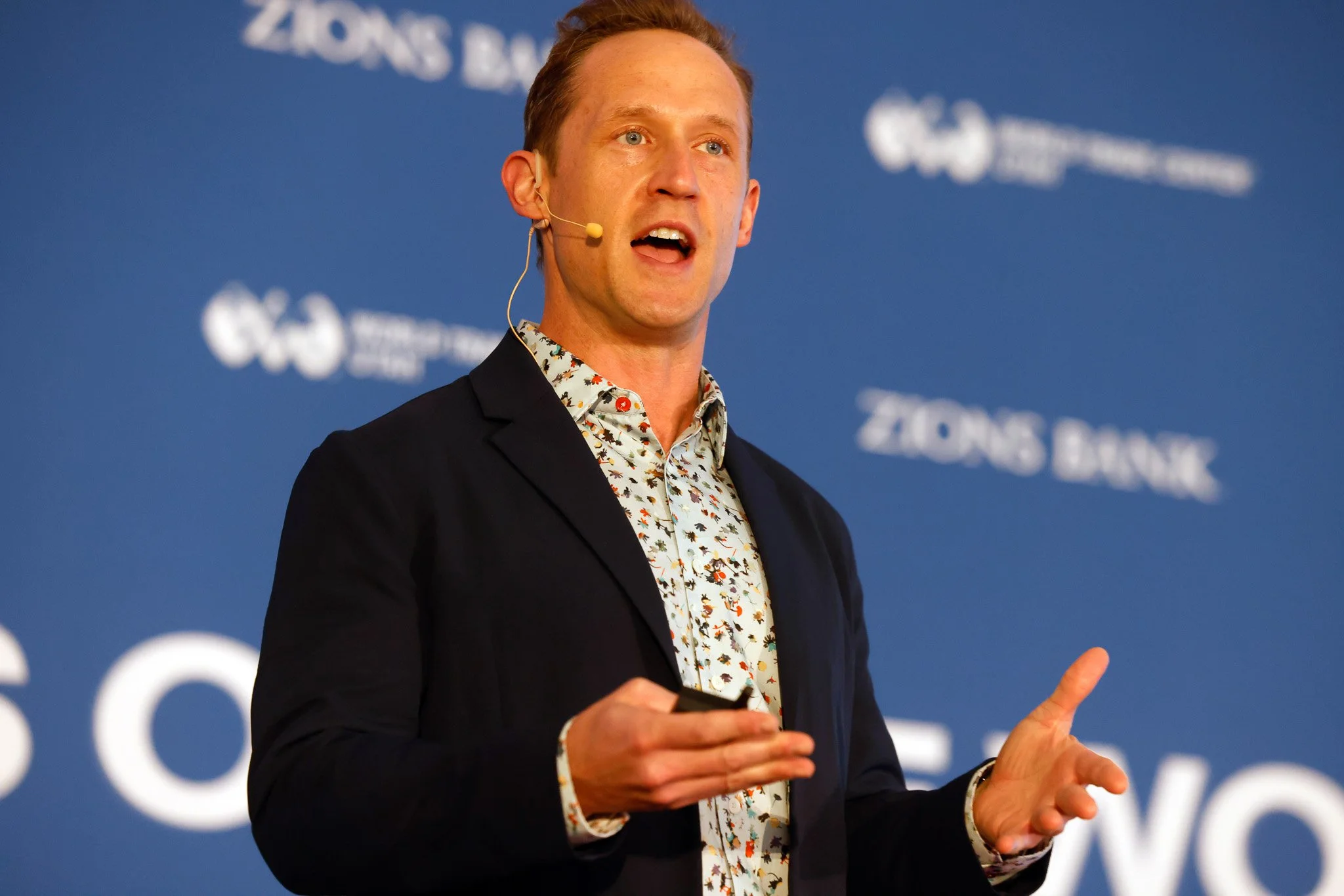
“The question is not whether AI will affect business. The question is how organizations will use it.”
— Jeremy Utley, award-winning teacher, podcaster, author
Stanford educator and innovation expert Jeremy Utley challenged attendees to move beyond debating whether AI will matter and instead focus on how it can be applied.
Netflix Co-Founder Reed Hastings encouraged leaders to think beyond today's capabilities and consider where the technology is heading.
Together, the conversations pointed to a broader lesson: AI adoption is increasingly becoming a leadership and organizational challenge rather than a technology challenge. The organizations that benefit most from AI may not be those with access to the newest tools. They may be the ones willing to experiment, learn, and rethink how work gets done.
For many attendees, the discussion was less about technology and more about leadership, adaptability, and organizational culture.
5. Longevity requires adaptability
Throughout the summit, speakers explored how businesses respond to changing markets, emerging technologies, shifting customer expectations, and new competitive pressures.
A common theme emerged: longevity is rarely the result of standing still.
Reflecting on lessons learned from building Netflix, Hastings shared an observation that resonated well beyond the technology sector.
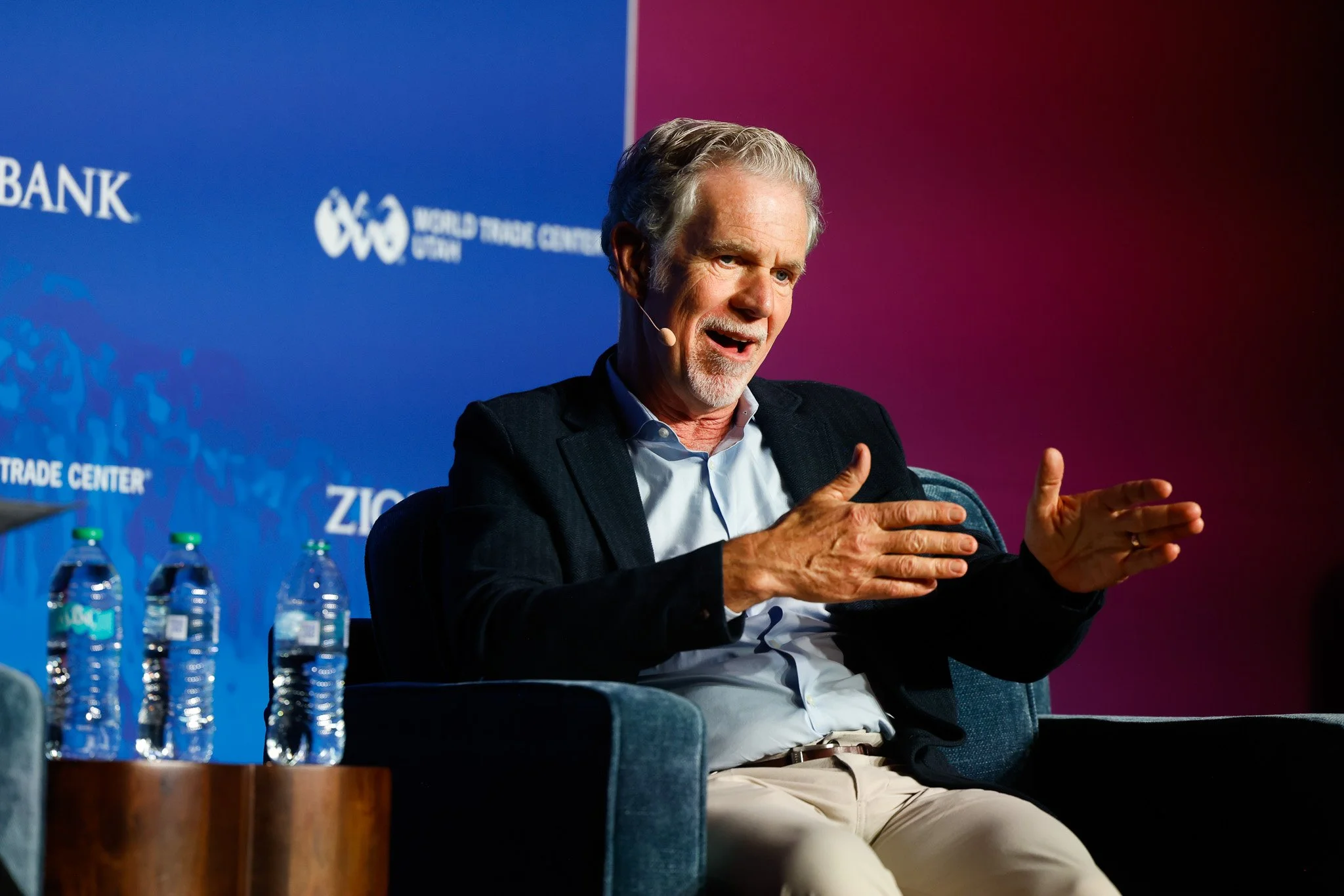
“We were basically over-optimized for one market. Businesses that last a long time have to change and evolve.”
— Reed Hastings, co-founder of Netflix
The insight echoed discussions across the summit. Trade relationships evolve. Technology changes. Energy needs shift. Markets create new opportunities while disrupting old assumptions.
Harris Simmons, chairman and CEO of Zions Bancorporation, spoke about maintaining perspective through economic cycles, while Huntsman discussed navigating long-term challenges in a globally competitive manufacturing environment.
Across industries and perspectives, speakers returned to a similar conclusion: successful organizations are not necessarily those that predict every change. They are the ones that build the capacity to adapt when change inevitably arrives.
The conversations at this year’s summit covered a wide range of topics, but they shared a common purpose: helping leaders better understand the forces shaping the future.
From trade and technology to energy and supply chains, one message emerged consistently: the businesses that adapt will be best positioned to compete.